
Operation Abscam is one of the most resonant and successful counterintelligence and anti-corruption operations conducted by the US Federal Bureau of Investigation (FBI) in the late 1970s – early 1980s. Although the investigation spanned several states, Philadelphia became a key arena. Here, the undercover technology caught high-ranking officials and congressmen in the act. Details of this international scandal: who was the organizer, how many people were involved, how much money was spent, and what responsibility did the participants at philadelphiayes.
The Undercover Legend: The FBI Creates a Company
The name Abscam comes from the abbreviation Abdul Scam, where Abdul was the name of a fictional wealthy sheikh. The case began in 1978, becoming one of the most creative and risky investigations in FBI history.
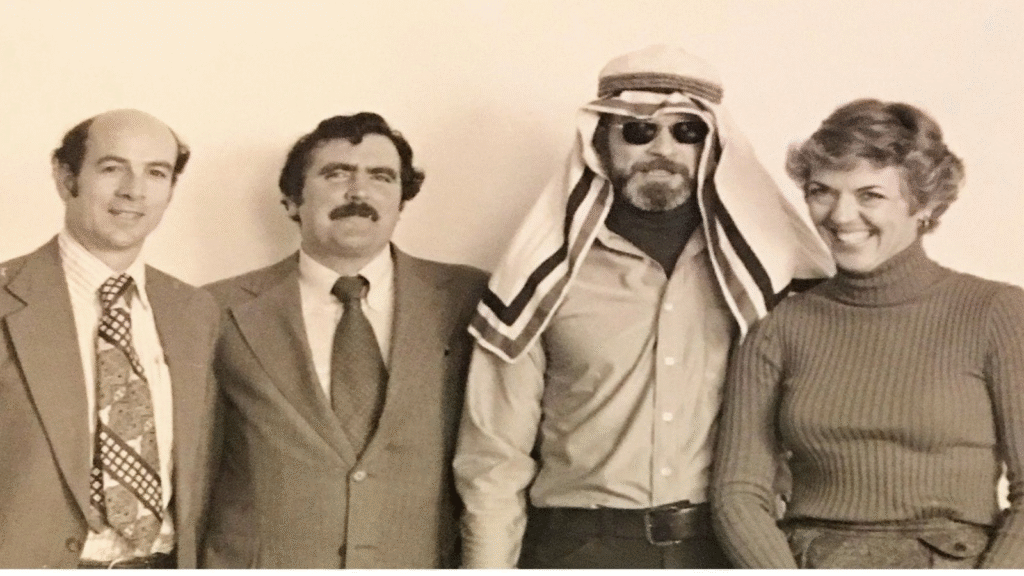
The key element of the operation was the figure of Melvin Weinberg. This experienced con man was recruited by the FBI to work undercover. This was in exchange for a reduction in his own prison sentence.
Weinberg masterfully played the role of a financial intermediary for the fictional Arabic company “Abdul Enterprises.” The legend was meticulously crafted. The company supposedly belonged to a wealthy fictional sheikh, Yasir Hamidi. He sought to invest millions of dollars in major American projects.
The purpose of this fictitious company was to create plausible scenarios. These scenarios would provoke corrupt officials into illegal actions. Elements of the legend included offers regarding:
- investments in large-scale hotel and casino construction;
- granting asylum to the sheikh in the USA or assisting in resolving immigration issues.
In exchange for these “services,” which required political lobbying, officials were offered large sums of cash.
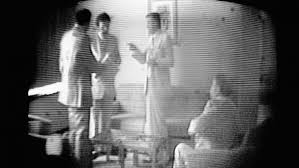
The key investigative tool that ensured its success was hidden video and audio recording of meetings. These recordings captured the moment officials accepted bribes. They openly discussed political favors and lobbying interests.
This creative and risky method of a “sting operation” allowed investigators to document criminal conspiracies.
The Philadelphia Spiral: Politicians on the Hook
Philadelphia and its political circles proved especially vulnerable to the temptation offered by Operation Abscam. The investigation affected not only local officials but also congressmen who had significant influence at the federal level.
The FBI successfully implemented its scheme, catching several high-ranking individuals connected with Pennsylvania.
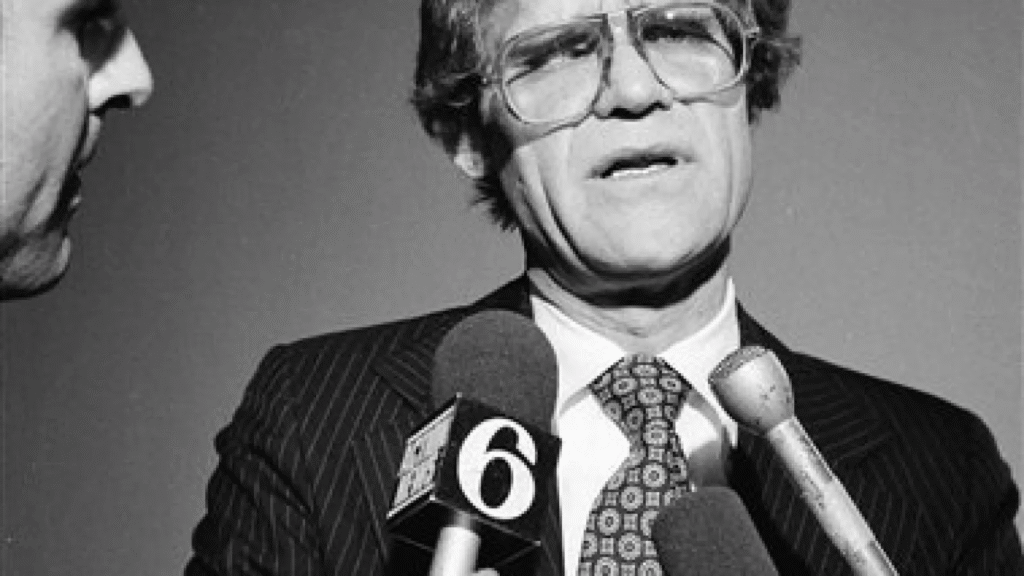
- Raymond Lederer. Congressman from Pennsylvania. His case became one of the most notorious. The video recording of him accepting cash from undercover agents became the most compelling evidence. Lederer agreed to help the “sheikh” with immigration issues in exchange for a direct bribe.
- Ozzie Myers (Michael Myers). Member of the US House of Representatives from Philadelphia. He was also recorded on video, accepting money and openly discussing conditions for further lobbying. His case resulted in his expulsion from Congress.
The operation also involved numerous local inspectors and political intermediaries. They organized confidential meetings between congressmen and the “Arab” investors.
The recordings of these meetings, held in luxurious hotel rooms and specially equipped undercover offices, became the final verdict. They unequivocally demonstrated the officials’ willingness to sell their political influence for cash.
The Technology of Treason: Evidence on Tape
The decisive factor in Abscam’s success was the groundbreaking hidden video recording technology. The FBI used video on such a large scale for the first time to document corruption. This turned the judicial process into a public spectacle.
Key technical aspects of the operation
- Hidden Camera. Cameras were built into furniture, wall decorations, and even the personal belongings of undercover agents. This allowed for clear images of the moment cash was handed over.
- Quality of Evidence. The video recordings virtually eliminated the possibility of denying bribery. The politicians’ words and actions were documented.
- Questionable Ethics. The use of such methods sparked widespread public debate about the ethical boundaries of law enforcement.
The irrefutability of the video evidence allowed the prosecution to bypass the defenses of highly skilled lawyers.
Judicial Fallout: Ethics and Legality
After the details of Abscam were released and charges were filed against seven congressmen, American justice plunged into deep debate. Defense attorneys actively used the argument of entrapment.
Key legal discussions
- Entrapment. Did the police merely facilitate the commission of a crime (which is legal), or did they provoke an individual who had no intention of breaking the law (which is illegal)? The court ruled that the politicians were willing participants in the corruption scheme.
- Legality of Evidence. The defense questioned the constitutionality of hidden video recording. The courts affirmed the legality of the method.
Despite the legal disputes, most of the accused were found guilty and sentenced to imprisonment.
| Official | Position (at time of crime) | Sentence | Time Served |
| Michael Myers | US House Member (Pennsylvania) | 3 years | 21 months |
| Raymond Lederer | US House Member (Pennsylvania) | 3 years | 10 months |
| George X. Schwartz | Philadelphia City Council President | Convicted | Several months |
| Louis Johanson | Philadelphia City Council Member | Convicted | Several months |
Triumph of Justice, Ethical Breach, or Societal Cleansing?
Operation Abscam became a crucial turning point in the US federal government’s fight against political corruption. For the first time, the FBI clearly documented the selling of influence by lawmakers. The conviction of seven Congress members sent a clear signal. This precedent legalized the large-scale use of undercover “sting” operations against corruption. At the same time, the operation sparked deep ethical debate regarding entrapment. Critics accused the FBI of creating a temptation for officials who might not have committed a crime otherwise. Regardless, Abscam’s legacy lies in increasing the transparency of political financing. It also strengthened oversight of lobbyists and changed the rules of conduct on Capitol Hill. The operation became a symbol that no official, regardless of rank, is above the law.