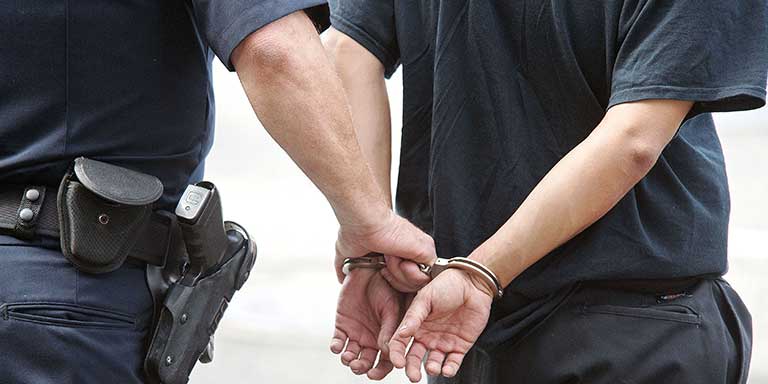

The corruption scandal that erupted in the 39th Police District of Philadelphia in the late 1990s became one of the most disgraceful episodes in the history of the city’s law enforcement. This was not just an isolated abuse—it was a systematic, organized, and prolonged criminal activity carried out by a group of detectives and officers. They usurped their authority to terrorize vulnerable communities in North Philadelphia, fabricating evidence, stealing money, and abusing citizens’ trust. This horrific case exposed profound problems of institutional corruption and lack of oversight within the police department. Details of the incident on philadelphiayes.
Suspicion and Investigation: Uncovering a Social Gangrene
The investigation that led to the exposure was prolonged and extremely complex. Initially, the district attorney’s office and the police department’s internal divisions received numerous complaints from North Philadelphia residents. They alleged systematic robberies and beatings by officers. The trigger for a large-scale federal investigation was the testimony of a former detective who agreed to cooperate with the FBI and the prosecution.
Key steps of the investigation
- Confidential Witnesses. Internal sources and affected citizens provided evidence of the pattern of crimes.
- Wiretapping and Surveillance. Federal agents used comprehensive means of technical and physical surveillance. This was done to document the actions of the suspects in the police station and during “patrols.”
- Joint Effort. Investigators generated a combined effort by the district attorney’s office, the FBI, and local internal affairs inspectors. This was necessary to overcome the corporate code of silence.
The evidence gathered pointed to the existence of an organized criminal group of six officers and detectives. They operated as a gang, not as law enforcement.
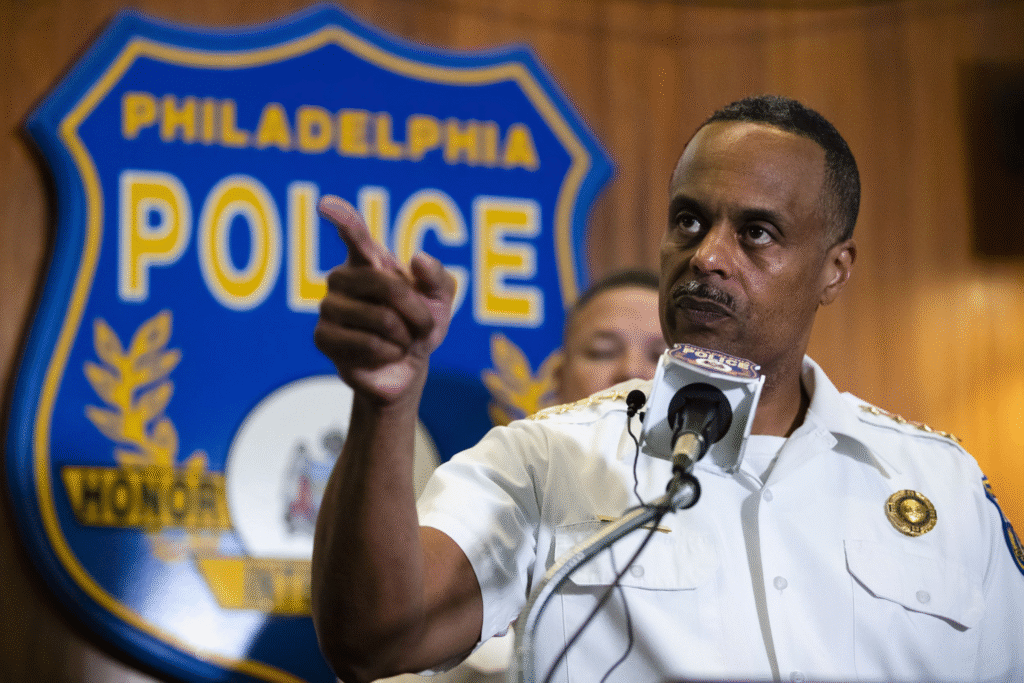
The Crime Scheme: Robbery and Evidence Tampering
The criminal activity of the “rogue cops” was cynical. It was aimed at personal enrichment by exploiting the most vulnerable populations. The 39th District area was known as a high-drug-trafficking territory. This created a perfect cover for the illegal actions of the criminals in uniform.
The main criminal methods included:
- Extortion and Robbery. Officers conducted unauthorized searches of homes and apartments of suspected drug dealers or those they believed held large sums of cash. Seized money was pocketed by the group, and real evidence was destroyed or falsified.
- Planting Drugs. To create an alibi or coerce victims into silence, the police planted narcotics on innocent individuals. This created a false picture of an offense.
- Theft of Property. The theft of valuables, electronics, and personal property from homes during “searches” was institutionalized.
The officers acted with complete certainty of impunity. They knew that complaints from residents of poor neighborhoods were rarely investigated or taken seriously by management.
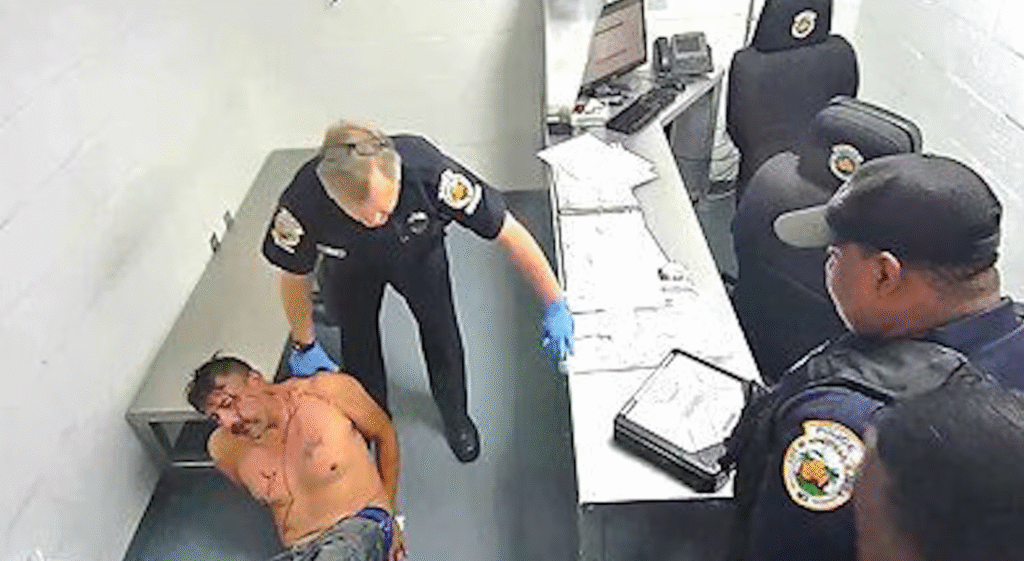
Judicial Consequences: Restoring Justice
After years of investigation and evidence gathering, federal prosecutors brought charges against key members of the criminal network. The trial exposed flagrant acts of abuse of power and brutality.
Key defendants and their sentences included:
- John Gross and Thomas Ryan. Key details of the robberies and falsifications revealed their organizational role. They and other group members were sentenced to long prison terms in federal prisons (up to 15 years).
- Department Liability. The City of Philadelphia and the police faced a wave of civil lawsuits from the victims of illegal actions. Millions of dollars were paid as compensation for civil rights violations.
- Vacating Convictions. Hundreds of criminal cases involving the convicted officers were reviewed or vacated. Their evidence was considered compromised.
The scandal concluded with the imprisonment of the criminals in uniform. It left a deep scar on the reputation of the Philadelphia Police and the public’s trust in justice.
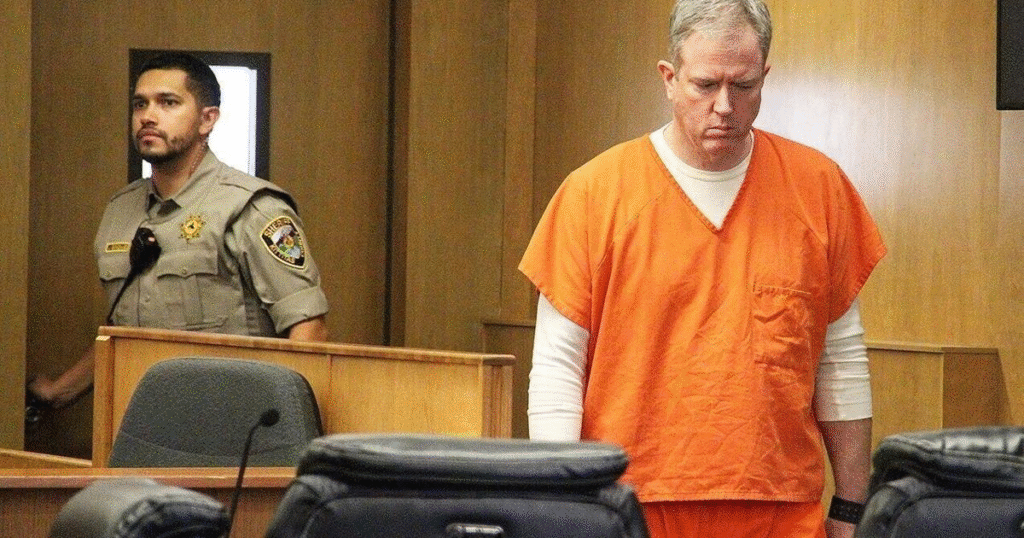
Lessons in Corruption: Reaction and Reforms
The exposure of dishonest officers in the 39th District led to fundamental changes. It necessitated deep reforms within the Philadelphia Police Department. City leadership recognized the need for increased transparency and strengthened internal control.
- Strengthening Internal Security. The funding and authority of the Internal Affairs Division were significantly increased. This was to ensure more effective oversight of officers’ actions.
- Early Warning Systems. Computerized systems were implemented. These track complaints, use of force, and disciplinary actions for each officer. This signals potential problems before they escalate.
- Ethics Training. Training programs for new personnel were expanded. They emphasized ethical standards and the protection of civil rights.
These reform steps were aimed at rebuilding the trust shattered by the actions of criminals in uniform.