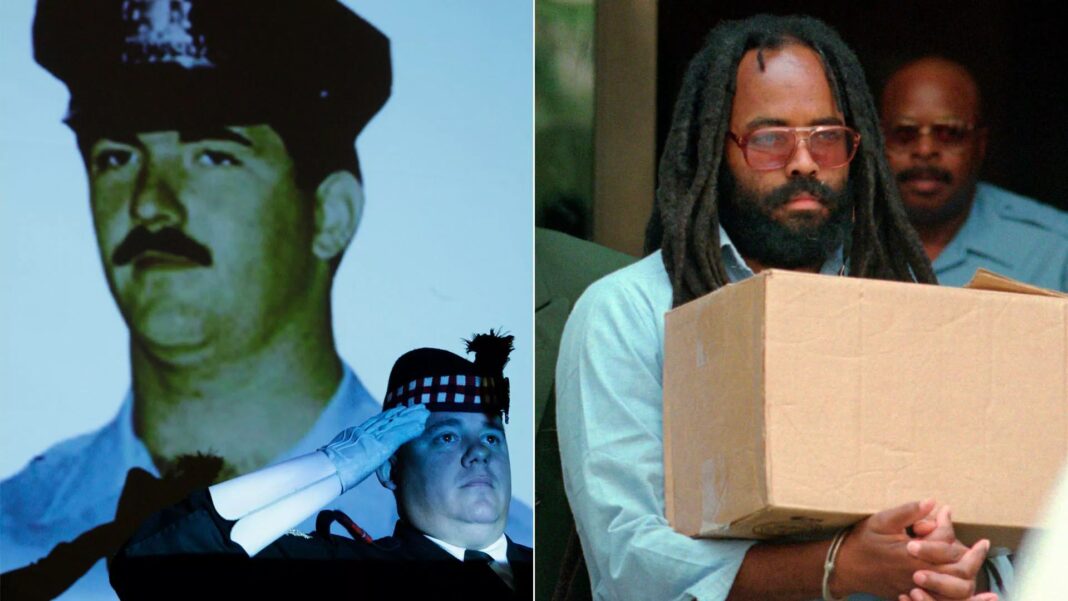

The fatal shot that rang out at the snow-covered intersection of Locust and 13th Streets in December 1981 forever altered the legal landscape of the United States. The murder of young police officer Daniel Faulkner evolved into one of the most controversial cases in modern history. Arrested for the crime was Mumia Abu-Jamal, a radical journalist and former Black Panther whose identity was transformed within months from a criminal defendant into a global symbol of the fight against systemic racism.
This drama, which unfolded in the heart of Philadelphia, transcended a typical criminal proceeding due to allegations of evidence tampering and political pressure on the court. Decades of appeals and street protests turned the investigation into a fierce ideological battle. On one side of the scale stood the demand for uncompromising law and order; on the other, trust in the entire American justice system. Let’s take a closer look at this high-profile event: what caused the scandal, how society reacted, how those responsible were punished, and how Faulkner’s memory is being honored at philadelphiayes.
A Fatal Night: Tragedy on Locust Street
The events took place in Center City Philadelphia on December 9, 1981. Daniel Faulkner, a 25-year-old police officer, pulled over a vehicle for a routine traffic stop. The driver was William Cook. During the ensuing confrontation between the officer and the driver, the driver’s brother—Mumia Abu-Jamal (born Wesley Cook)—arrived at the scene. He was working nearby as a taxi driver. Abu-Jamal was a former Black Panther and a well-known radio journalist vocal in his criticism of the police.
According to the prosecution, Abu-Jamal ran toward the officer and shot him in the back. Despite being mortally wounded, Faulkner managed to return fire, striking the assailant in the chest. The final act of the tragedy was a second shot to the officer’s face, which proved fatal.
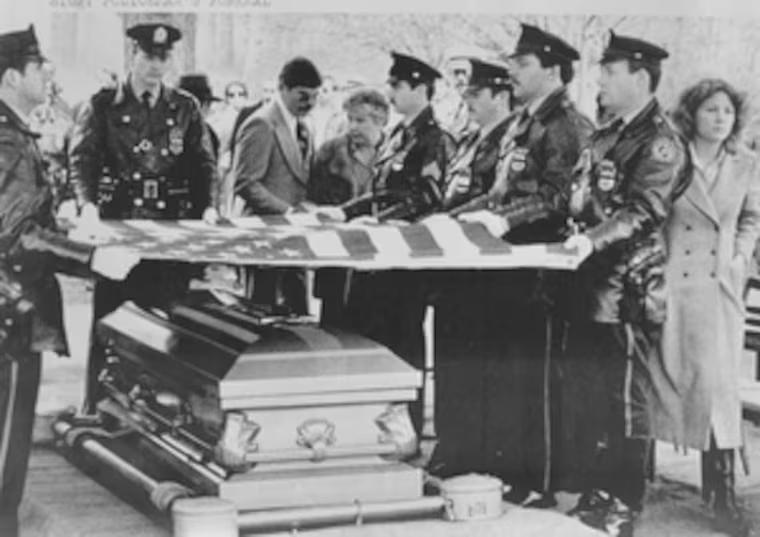
When backup arrived at Locust Street, they found Faulkner dead and a wounded Abu-Jamal sitting near a .38 caliber revolver registered in his name. This evidence formed the core of the prosecution’s case, marking the beginning of a legal marathon where ballistic data and eyewitness accounts became subjects of endless debate.
The Trial
The trial took place in an atmosphere of extreme tension. The prosecution presented testimony from three eyewitnesses who saw the shooting. Additionally, two witnesses (a hospital worker and an officer) testified that at the hospital, Abu-Jamal shouted, “I shot the motherfucker, and I hope the motherfucker dies.”
Key prosecution factors
- Ballistics. The bullet recovered from the officer’s body matched the type used in the defendant’s revolver.
- Witnesses. Taxi driver Robert Chobert and pedestrian Cynthia White identified Mumia as the shooter.
- Defendant’s Behavior. Abu-Jamal was disruptive, demanding to be represented by John Africa (leader of the radical MOVE movement), leading to his frequent removal from the courtroom.
In July 1982, the jury found him guilty of first-degree murder and sentenced him to death. This verdict sparked a legal war that has spanned over four decades.
From Crime to Politics: Global Resonance
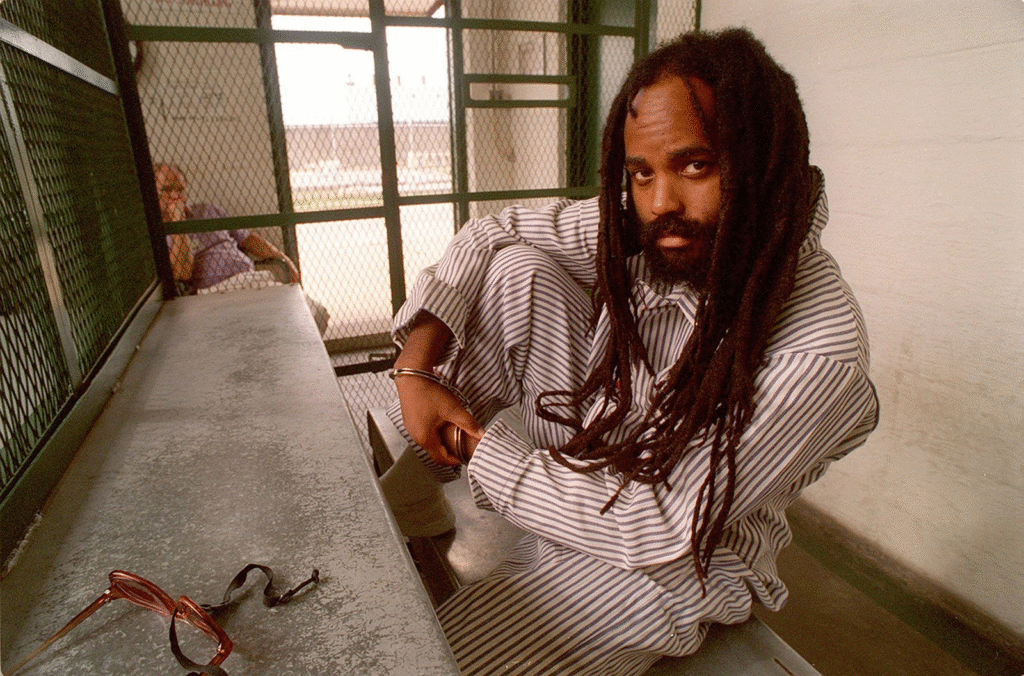
The case quickly expanded beyond a local police murder. Left-wing activists, celebrities, and human rights organizations, including Amnesty International, questioned the trial’s fairness. They argued the process was tainted by racism, that the jury was biased, and that witnesses were coerced by police.
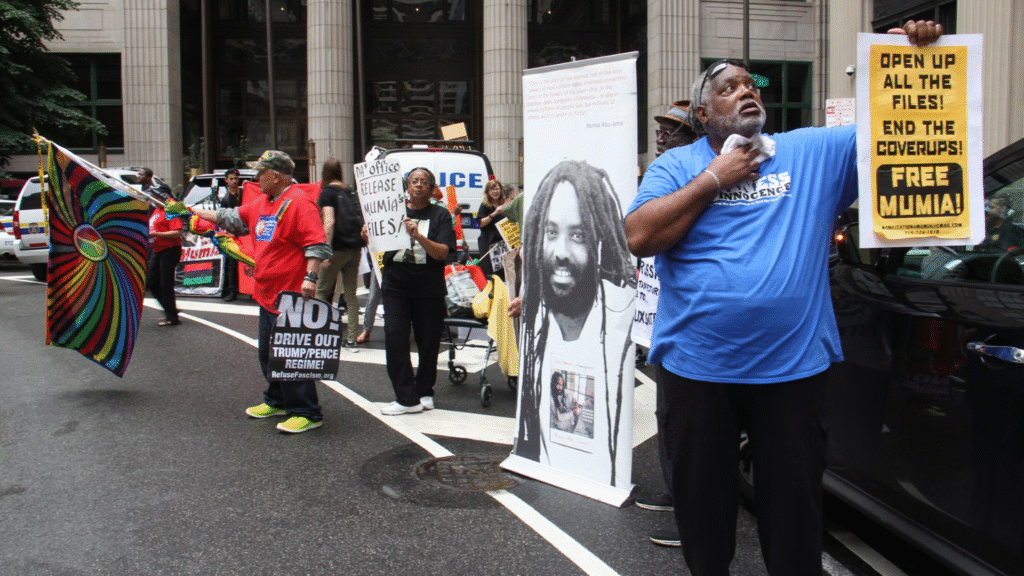
Philadelphia became the epicenter of protests under the slogan “Free Mumia.” The cry was taken up in Paris, London, and Berlin. For many, he became the “voice of the voiceless,” a journalist targeted for his criticism of police brutality. Renowned intellectuals and artists, from Nelson Mandela to Rage Against the Machine, called for a retrial.
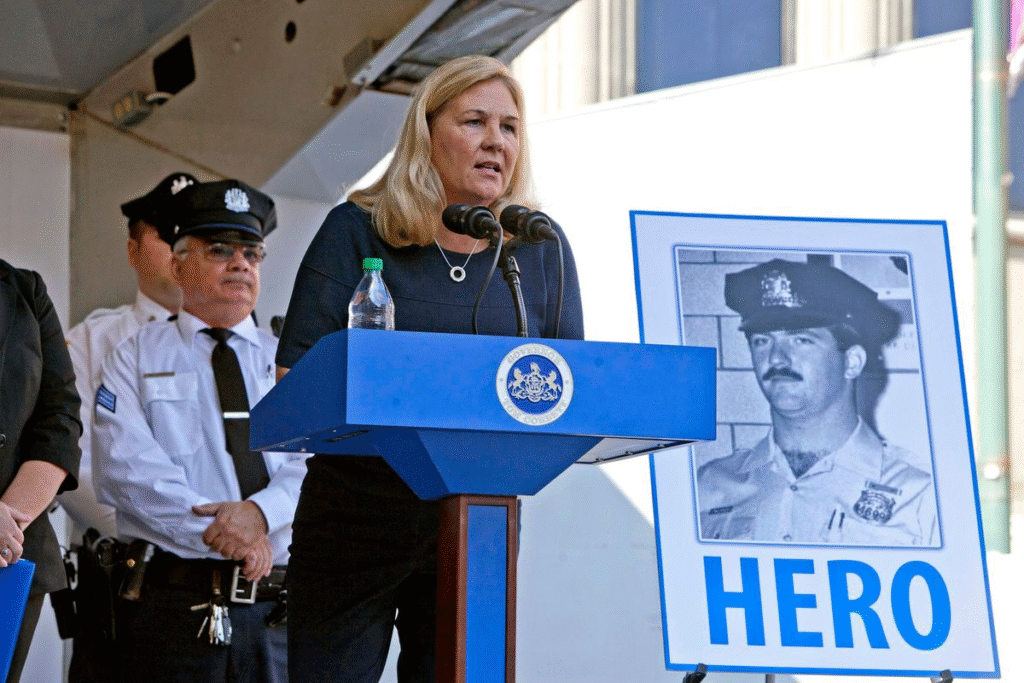
Conversely, Faulkner’s family, particularly his widow Maureen, supported by the Fraternal Order of Police (FOP), demanded the execution be carried out. She has consistently maintained that Abu-Jamal is simply a cold-blooded killer using political rhetoric to escape accountability. This clash turned the case into a perpetual battle between two narratives: social justice versus the sacred duty to protect those who wear the badge.
Legal Labyrinths
Over the decades, the defense filed numerous appeals. In 2001, a federal judge overturned the death sentence due to technical errors in the jury instructions regarding mitigating circumstances. This ruling was finalized in 2011 when the Philadelphia District Attorney’s Office officially dropped further attempts to seek the death penalty.
The death sentence was commuted to life imprisonment without the possibility of parole. However, the fight continued. In 2023, a judge again denied a request for a new trial despite defense claims that evidence of prosecutorial misconduct—specifically bribery of witnesses—had been suppressed for years.
Conflict of Evidence
| Line of Argument | Prosecution Position (Guilt) | Defense Position (Innocence / Violations) |
| Eyewitnesses | Three witnesses identified Abu-Jamal as the lone shooter. | Testimonies were inconsistent; later evidence suggested police coerced witnesses with threats or favors. |
| Ballistics | Abu-Jamal’s revolver was found with five spent shells. The bullet matched the weapon’s caliber. | Police never performed a gunpowder residue test on Abu-Jamal’s hands. The bullet was too deformed for definitive matching. |
| Confession | Officers and hospital staff claimed he confessed loudly at the hospital. | No medical records from that night noted such a confession. Officers only reported it 64 days later. |
| The Trial | Judge Sabo acted according to the law; evidence of guilt was overwhelming. | A court stenographer later testified she heard Judge Sabo say he would help “fry” the defendant, using a racial slur. |
| Third Party | The prosecution claimed only Faulkner, Abu-Jamal, and Cook were present. | Witness Dessie Fisher claimed to see another person fleeing the scene immediately after the shots. |
Symbolism and Aftermath
Today, this case remains a “litmus test” for Philadelphia’s law enforcement system.
- For the Police (FOP). It is a matter of honor. Daniel Faulkner is a symbol of officer sacrifice, while Mumia is seen as a killer who masterfully manipulates the media.
- For Activists. It serves as an example of how the state can weaponize the justice system to eliminate political opponents through racial bias.
Even after the commutation of the death sentence, the legal battles persist. For many residents, the case remains an open wound, symbolizing the deep rift between the justice system and the African American community. It demonstrates that the story of Daniel Faulkner is not just about a night in 1981, but about the difficulty of finding truth when it is buried under layers of ideology and decades of pain.
Sources:
- https://www.axios.com/local/philadelphia/2021/12/09/mumia-abu-jamal-daniel-faulkner-40-year-anniversary;
- https://whyy.org/articles/40-years-after-mumia-abu-jamals-arrest-the-case-is-a-symbol-of-a-broken-justice-system/;
- https://www.inquirer.com/news/mumia-abu-jamal-appeal-denied-philadelphia-police-daniel-faulkner-20230406.html;
- https://www.usatoday.com/story/news/nation/2014/10/02/goddard-college-mumia-abu-jamal-speech/16605789/.