
Amidst the economic turmoil of the Great Depression, Philadelphia was rocked by one of the era’s most appalling and cynical crimes. “The Philadelphia Poison Ring.” This is the name forever associated with organized, cold-blooded insurance fraud that crossed the line into murder.
A horrifying criminal network, consisting of local immigrants who banded together for easy financial gain, operated throughout the 1930s. They devised a clear, methodical murder scheme: victims were poisoned, and beneficiaries collected payouts on life insurance policies. The particular cynicism lay in the choice of victims. They were often impoverished, lonely individuals who, unaware of their death sentence, became the subjects of multi-thousand-dollar insurance policies. The investigation into this gruesome conspiracy, which unfolded directly in Philadelphia, revealed how greed escalated into serial poisoning for financial enrichment, shocking the nation with its scale and callousness. We dissect the nuances of this cynical case on philadelphiayes.
Main Figures: Cynicism and Organization
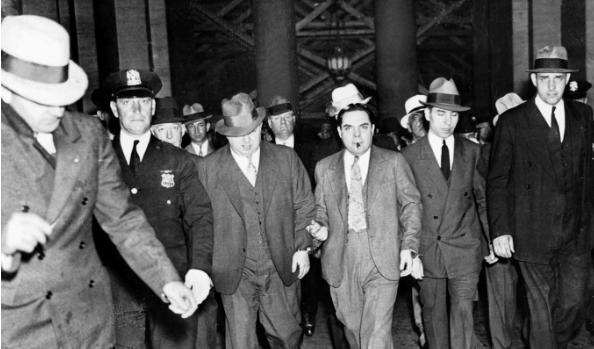
At the core of “The Philadelphia Poison Ring” was a cold-blooded, methodical organization, led by two central figures—brothers Herman and Ignazio Bruno. They operated mainly within the tight circles of the Italian immigrant community in South Philadelphia, exploiting the trust and vulnerability of that environment.
The Bruno brothers were the true architects of the criminal chain. Their role was all-encompassing: from organizing and recruiting executors to finding ideal victims. They also personally controlled document forgery and, most importantly, handled receiving payouts from insurance companies. In essence, they created an effective corporate structure of death, where every link had its clear, cynical function.
The Death Factory
The mechanism of the “Ring’s” operation was terrifying in its simplicity.
- Victim Search. The criminals deliberately sought vulnerable people—often uneducated migrants, the unemployed, or individuals with low social status, whose sudden death would not arouse suspicion.
- Policy Issuance. Victims were persuaded to take out lucrative life insurance policies, with beneficiaries being members of the criminal group who posed as “distant relatives” or “loyal friends.”
- Murder. After a short period, victims were murdered using poison that mimicked natural death or illness, such as an acute heart attack or stroke.
Accomplices in the System
To ensure smooth operations, the network involved intermediaries who posed as “sincere” relatives to the insurance companies. A critically important element of success was the involvement of corrupt doctors. For a bribe, they issued false death certificates stating natural causes, providing the “Ring” with a perfect cover. This criminal conspiracy, stretching from the insurance agent to the medical examiner, made the scheme almost invulnerable for many years.
Methods of Murder: Sophisticated Imitation
For this dreadful scheme to operate for years, the criminals of the “Poison Ring” employed masterful methods. These were aimed at bypassing the vigilance of insurance agents, police, and, most crucially, medical examiners. Their main criminal principle was the use of substances that were extremely difficult to identify without specialized toxicological analysis.
The criminals chose poisons whose symptoms could be easily masked as common natural diseases.
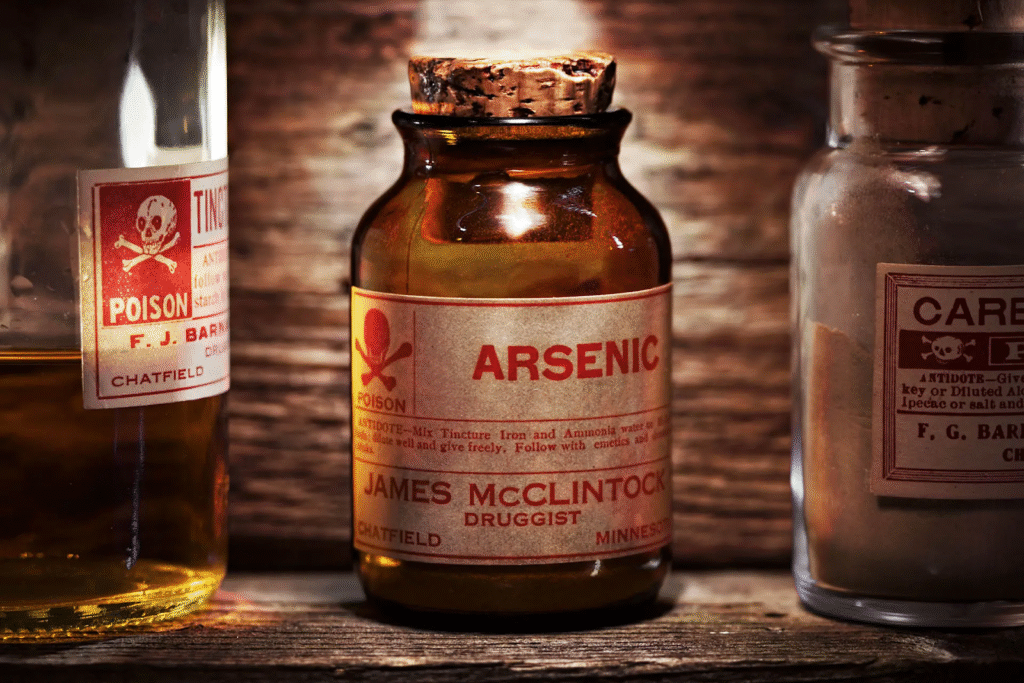
- Arsenic Poisoning. Arsenic was the network’s favorite. It was difficult to detect during routine body examination and caused symptoms virtually indistinguishable from cholera or severe gastrointestinal illness. This allowed corrupt doctors to easily issue death certificates due to “natural” causes.
- Thallium and Bacteria Use. While arsenic was the most common, the use of thallium (causing symptoms of polyneuritis) and pathogenic bacteria to cause fatal infections was also suspected. These methods were ideally disguised as a swift, but natural, illness.
- Physical Imitation: In some cases, where poison might raise suspicion, deaths were caused by physical methods that mimicked an accident, such as drowning or falling.
The scheme required not only chemical expertise but also emotional callousness. The victims often didn’t even know they were insured for sums huge for the time. Beneficiaries were always assigned to a member of the criminal group posing as a relative.
This combination of deception and chemical skill made solving the crimes incredibly difficult.
The Takedown of the Brotherhood Network
The investigation into the criminal activities of the “Poison Ring” began thanks to the accumulation of suspicious facts and the tireless work of detectives and insurance agents. The key moment that drew attention was a pattern: large insurance payouts were regularly made to beneficiaries linked to the same group of individuals, while the victims died of “sudden” natural causes shortly after insurance was taken out.
The investigation into this gruesome conspiracy was jointly conducted by the Philadelphia Police, federal agencies, and with the active participation and information from major insurance companies, notably the Metropolitan Life Insurance Company. To definitively confirm the worst suspicions, the decision was made to exhume several victims’ bodies.
Toxicological analysis conducted on the exhumed remains confirmed the presence of poisons, especially arsenic. This became irrefutable, crucial evidence that the deaths were deliberate murders.
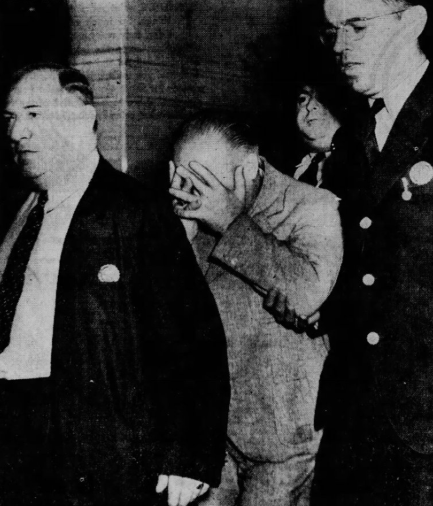
Although the exact number of victims is still debated by historians, law enforcement established the network’s involvement in dozens of murders and numerous fraud attempts. The trial of the “Poison Ring” members garnered widespread attention in the national press. It was a stunning example of how greed could lead to serial murder. Following the court hearings, members of the criminal group received long prison sentences. Some main figures, including the Bruno brothers, were sentenced to death, which at the time was a harsh but adequate reaction to the scale of their cynical crime.
Aftermath: Strengthening the Insurance System
The exposure of the criminals had a profound and lasting impact on the life insurance system in the United States. Insurance companies were forced to revise their protocols and procedures to prevent similar crimes.
- Waiting Policy. The “two-year” incontestability clause was introduced or strengthened: if the insured person died within the first two years after the policy was issued, the insurer had the right to conduct a detailed investigation.
- Medical Examination. Requirements for medical examinations before contracting a policy, especially for large amounts, were strengthened.
- Fighting Corruption. Increased attention was paid to monitoring the activities of local doctors and coroners who might issue false certificates.
The story of the “Poison Ring” became a grim example of the vulnerability of financial systems to organized crime, but it contributed to increased reliability of insurance protection for ordinary citizens.