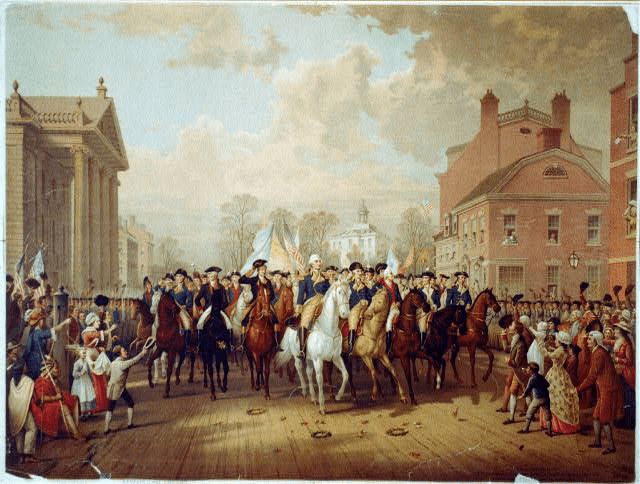

The Pennsylvania, or Philadelphia, Mutiny of 1783 was arguably the only successful anti-government protest in U.S. history. Carried out by soldiers of the Continental Army, the mutiny saw the Pennsylvania Executive Council fail to stop the rebellion. As a result, the Confederation Congress fled Philadelphia, and the city ultimately lost its status as the nation’s capital. Learn more about how these June events sealed Philadelphia’s fate and more at philadelphiayes.
Philadelphia: The Nation’s Capital
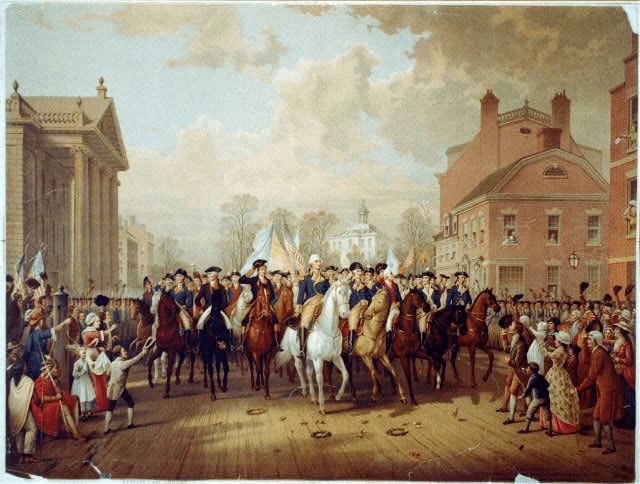
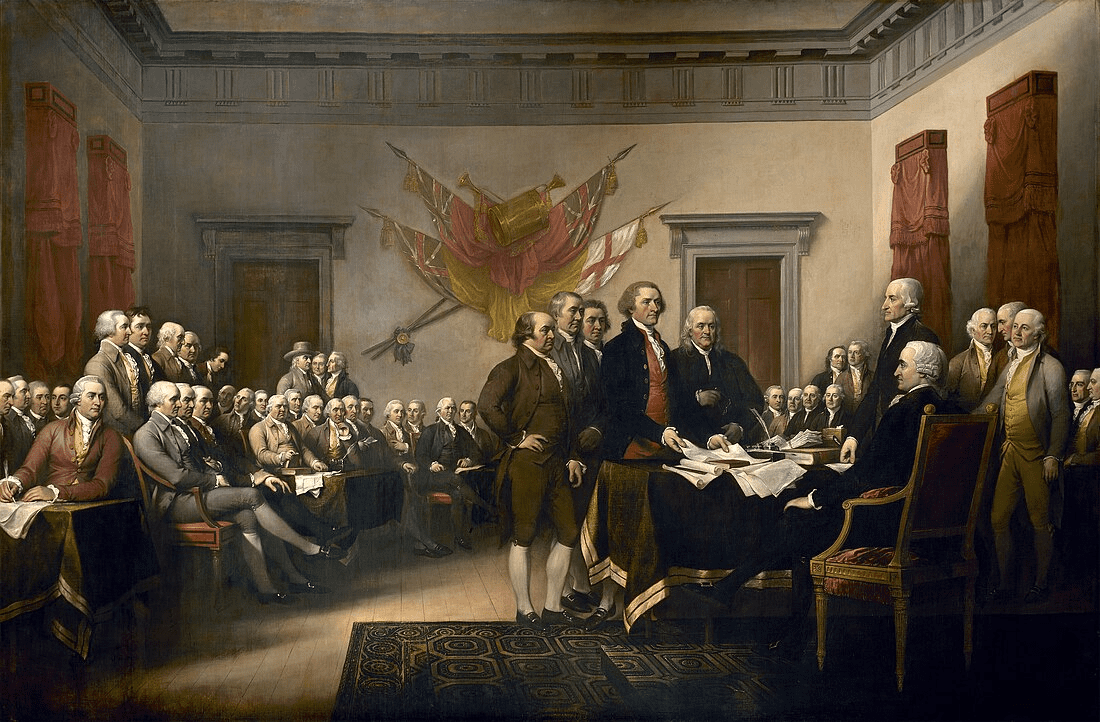
Before June 20, 1783, Philadelphia was the capital of the newly formed United States. The largest city in the country, it was centrally located and had excellent prospects for development. It was here in 1774 that the First Continental Congress convened, and a year later, its delegates returned to Independence Hall for the Second Continental Congress to proclaim the desired independence of the U.S. Philadelphia was therefore the site of the birth of the nation and the signing of the Constitution.
During the Revolutionary War, Philadelphia briefly lost its capital status at various times. When the British threatened the city, the Continental Congress worked in Baltimore for several months. After the British won the Battle of Brandywine and occupied Philadelphia, the capital was moved first to Lancaster and then to York, both in Pennsylvania. However, as soon as the British left Philadelphia, the city’s status as capital was restored.
Most residents and government officials woke up on the morning of June 20, 1783, believing Philadelphia would remain the U.S. capital forever. Yet, it took only 48 hours for the city to lose this status and never regain it.
Details of the Pennsylvania Mutiny
Despite the end of the Revolutionary War, the young U.S. faced many internal and external problems. The country had significant debts and obligations, including the need to pay all the soldiers who had fought for victory. However, financial difficulties led to constant delays in payment, and discontent spread among the soldiers.
Meanwhile, the Congress and the Supreme Executive Council of the Commonwealth of Pennsylvania were working in Philadelphia’s Independence Hall, where they had moved in 1781. At the time, Congress had no direct control over the military and had to rely on the local militia to maintain order.
The Continental Army soldiers in Philadelphia, who still hadn’t received their pay, sent a message to Congress on June 17, 1783, demanding immediate payment according to their contracts. The soldiers warned that if their complaint was ignored, they would act immediately and decisively.
Despite the warning, Congress ignored their message. The soldiers, too, initially responded with silence. Two days later, Congress received word that about 80 soldiers had marched from Lancaster, Pennsylvania, to Philadelphia, where they joined the troops in the city barracks. In total, over 500 soldiers now controlled the armories and ammunition depots.
On the morning of June 20, about 400 soldiers surrounded Independence Hall, demanding their pay. They blocked the doors, trapping everyone inside.
Veteran Continental Army officer Alexander Hamilton led the negotiations with the protesters. His efforts resulted in the soldiers allowing the members of Congress to leave the building. At the same time, Hamilton appealed to the Pennsylvania government for protection against the mutineers.
John Dickinson, the president of Pennsylvania’s Executive Council at the time, received the request but decided to refuse to order the militia to protect Congress. It is not known for sure why he acted this way. One theory is that Dickinson was not confident the militia would fight the Continental Army, where they had many relatives and friends. Perhaps he feared such an order would only worsen the situation and lead to a violent outbreak.
The Aftermath of the Mutiny
It’s worth noting that the participants of the Pennsylvania Mutiny acted peacefully. They harmed no one, but the delegates of Congress were greatly concerned by their actions. So, early on the morning of June 22, they all fled Philadelphia. The U.S. capital was then moved first to Princeton, New Jersey, and later to Washington, D.C.
The Founding Fathers later returned to Philadelphia to sign the Constitution. However, it was clear they remembered the Pennsylvania Mutiny. The Constitution did not specify the location of the capital, but instead stated that it would be located in its own federal district with guaranteed protection independent of any state government.
Philadelphia’s status as the capital was temporarily restored in the 1790s. But when Washington, D.C., was built in 1800, the government permanently moved there. Who knows if Philadelphia lost much by being stripped of its capital status, but that was the story of how it happened.