
The Second World War is a separate and terrible page in world history. It was an extremely difficult period for Philadelphia as well. At that time, not only men but also women and children had to work actively. Everyone did their best to support the military and each other.
Philadelphiayes.com will tell you more about Philadelphia during World War II and, of course, about the acute problems of its residents at the time.
Women’s charity
During World War II, many Philadelphia women were involved in helping and supporting local charities.
In particular, the United Service Organizations (USO), responsible for the military men’s leisure, hired young women to organize various events.
The USO worked with numerous regional and Philadelphia military bases and hospitals.
It is worth noting that women were also actively involved in fundraising via a united military foundation.
“Military experience” for women
It would be fair to note that Philadelphia women acquired many new responsibilities during the war. It helped them to become more confident and feel needed in such a difficult period.
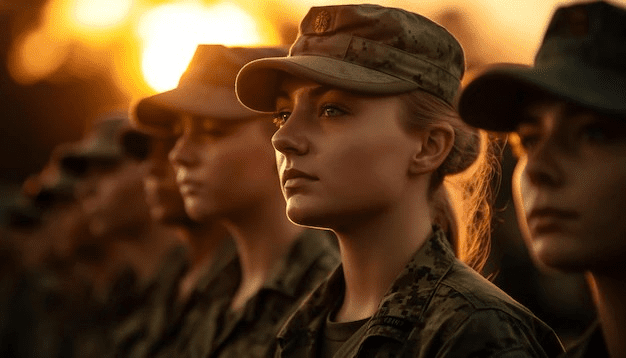
Later, such a “military experience” became the basis for the strengthening of women’s struggle for equal rights.
Lack of cohesion and active discrimination
Another striking feature of wartime Philadelphia was the lack of unity, even though federal propaganda agencies actively pursued a cohesion policy, which was crucial for victory. However, Philadelphia wasn’t united at the time.
It’s a mistake to think that discrimination applied only to African Americans because other groups suffered too.
In particular, we are talking about Jews. Sometimes, they even encountered physical attacks. It was especially evident from 1939 to 1941.
Jewish shops were vandalized, Jewish children were attacked and a rabbi’s house was set on fire in West Philadelphia.
In addition, Anti-Semitic literature was actively distributed in the city and many employers refused to hire Jews.
Besides Jews and African Americans, the Japanese also greatly suffered from discrimination in wartime Philadelphia. They were called enemy foreigners. Therefore, their houses were searched and their belongings confiscated, from radio receivers to telescopes and other equipment that was considered potentially dangerous.
The Japanese were very limited in terms of employment. However, the situation changed when labor shortage became apparent. Japanese Americans were allowed to work in Philadelphia’s semi-finished goods factories. Thanks to this, a Japanese diaspora was formed in the region.
Workers’ strikes
During the war, Philadelphia also experienced frequent labor conflicts. Even though unions were prohibited from striking during wartime, there were many of them in the city.
The textile and metallurgical industries, or rather their representatives, were especially active. As the war continued, steel and aviation enterprises started protests too.
The workers didn’t stop striking and demanding higher wages.
Many disputes in Philadelphia were settled by arbitration. The Military Staff Committee decided to introduce a programme to stabilize wages. That was a necessary step to prevent inflation.