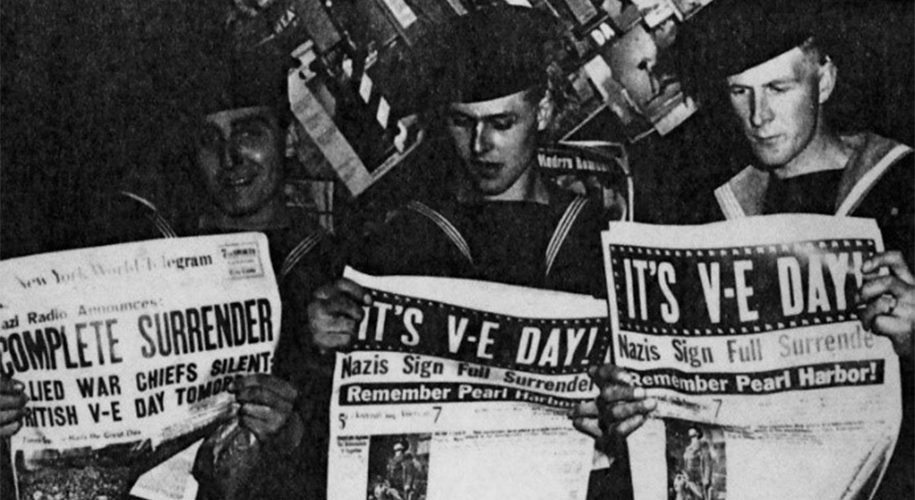

It’s no secret that war drastically changes life. As men went off to battle, women had to take their places in the workforce—unless, of course, they too were joining the direct fight against the enemy. For the most part, however, women had to learn new professions to keep the economy from collapsing. Read on at philadelphiayes.
The Changes Brought by War
The outbreak of war brings immense changes to everyone’s lives. While Philadelphians certainly felt these shifts when World War II began, the transformation was on a much larger scale. It was visible across politics, the economy, and industry.
By the time this bloody conflict began, taking millions of lives, Philadelphia had already become an industrialized city. Starting in 1941, the entire region began receiving government contracts for supplies like food, transport, and armaments. The war gave industry a new boost, and soon, Philadelphia became a major arsenal for the war effort.
Because our city had a significant number of important assets, like the Philadelphia Naval Shipyard, federal arsenals, and universities, its residents were able to create new innovations to aid the military. Philadelphia didn’t just manufacture goods; it also developed new materials, communication devices, electronic surveillance, and weaponry.
New Opportunities and Unification
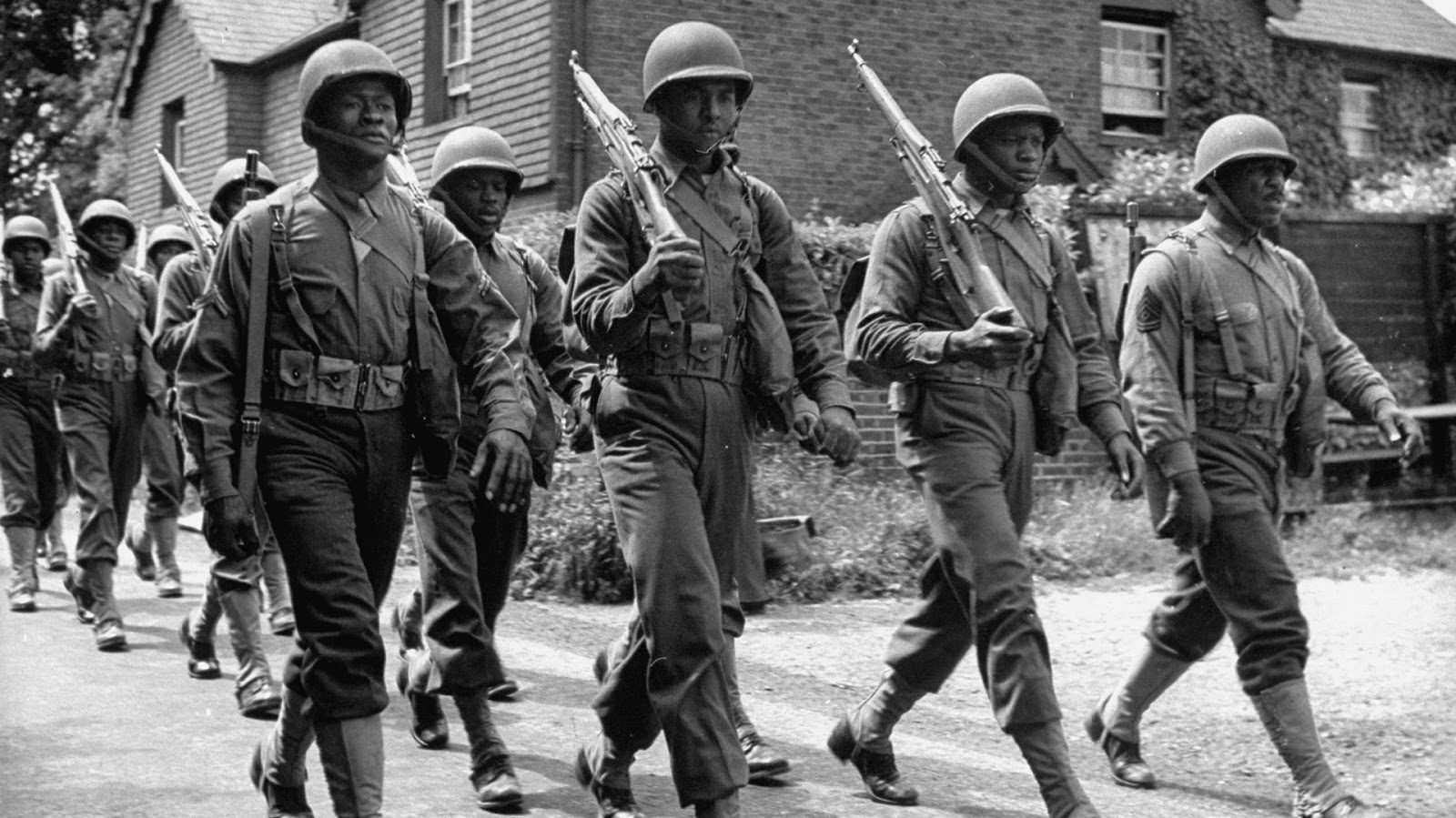
The vast number of factories operating throughout the war created a surge in new jobs. This opened up unprecedented opportunities and prospects for women. And Philadelphia wasn’t alone; nearby cities like Chester and Camden also saw a boom in jobs for the local population.
Beyond providing a new platform for women to enter the workforce, World War II also united the region. This unity stemmed from a shared desire to fight Nazism in Europe and expansionism in Asia. People were also brought together by federal laws implemented to regulate labor, food consumption, and even entertainment.
When the first battles erupted in Europe, Philadelphia was still grappling with a high unemployment rate. Factories stood idle, and the economy was reeling from the Great Depression. However, after June 1940, the Roosevelt administration launched a massive campaign for military production and rearmament. This historical pivot gave the economy a powerful jolt. By the time Japanese forces attacked Pearl Harbor in 1941, Philadelphia’s industrious efforts had effectively erased the lingering signs of its previous decline.
The Crucial Role of Women
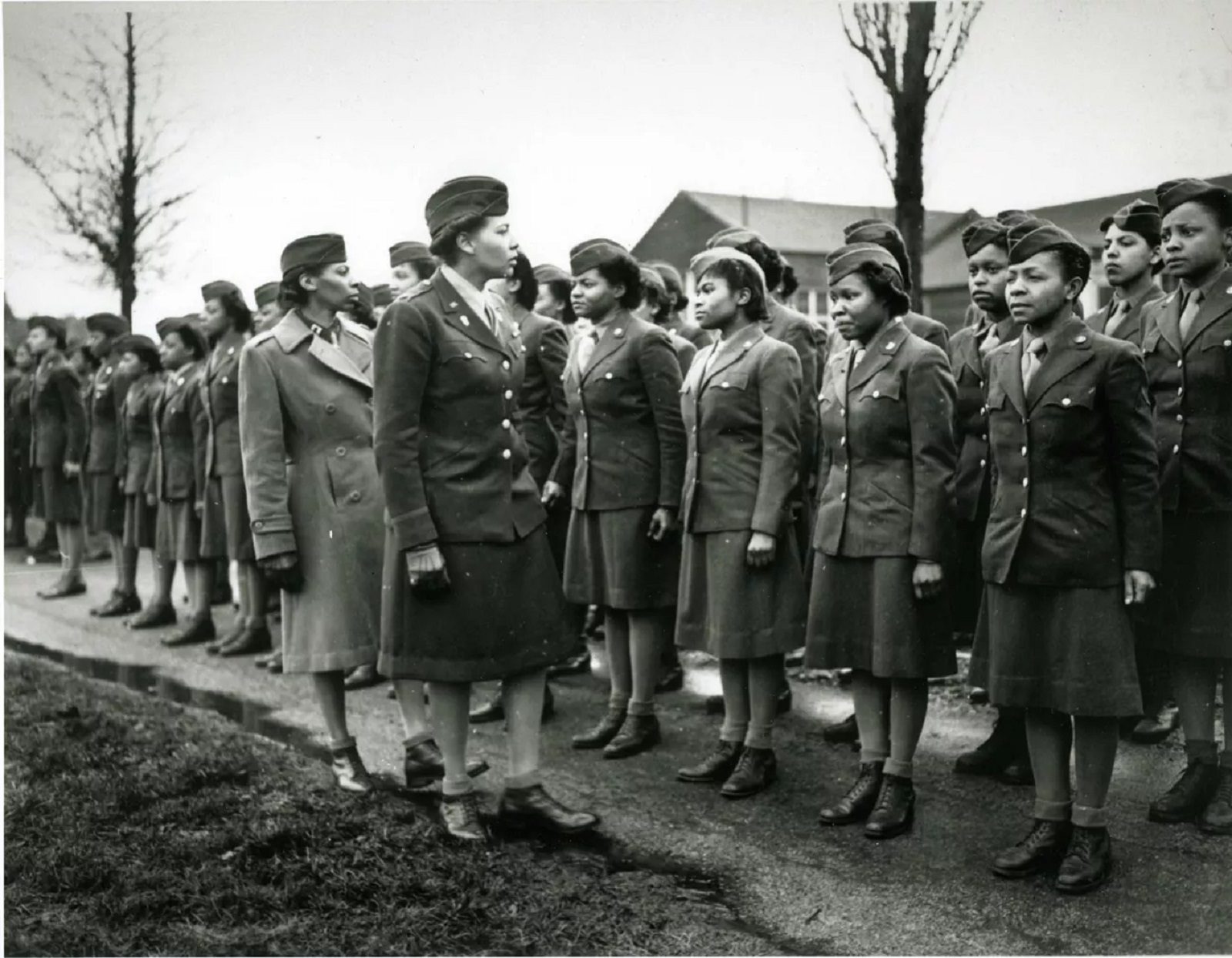
Charitable organizations became a primary arena for women’s contributions. They joined groups dedicated to entertaining service members stationed in the Philadelphia area. Thousands of young women flocked to these centers, believing that they could boost the morale not only of those on the battlefield but of the entire city as well.
Some organizations collaborated with the numerous hospitals and military bases located not only in Philadelphia but also in its suburbs. Women became a driving force in fundraising for social organizations and were instrumental in selling war bonds.
Women of all ages were able not only to help the cause but also to earn their own money. They took on a variety of responsibilities, which led to newfound self-confidence. Women were able to expand their economic, social, and political horizons, which had previously been very limited.
The Post-War Reality for Women
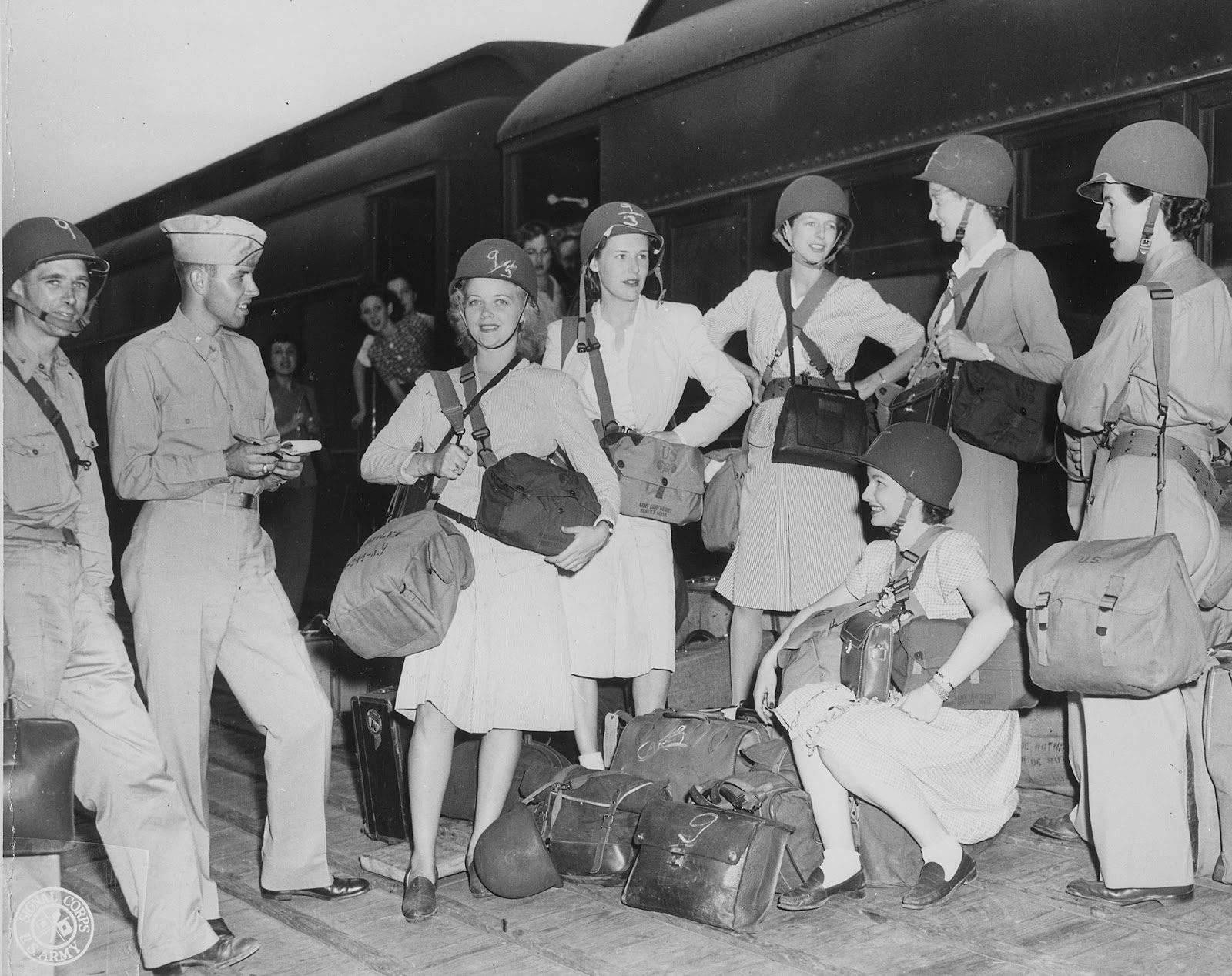
The number of jobs for women grew rapidly, but this boom lasted only as long as the war, which ended in 1945. After the fighting ceased and Germany surrendered, women’s lives changed dramatically once again. They were suddenly considered less essential, as men returned to reclaim their positions. Moreover, they were expected to make way for returning veterans.
However, the experience gained during World War II empowered women to fight for equality with men. They had proven they could do the job just as well, and sometimes even better, making every woman a valuable asset to the workforce. It would take many more years for this to be widely recognized and accepted by men. Today, however, women excel as specialists in countless fields. And that was a fight worth having.