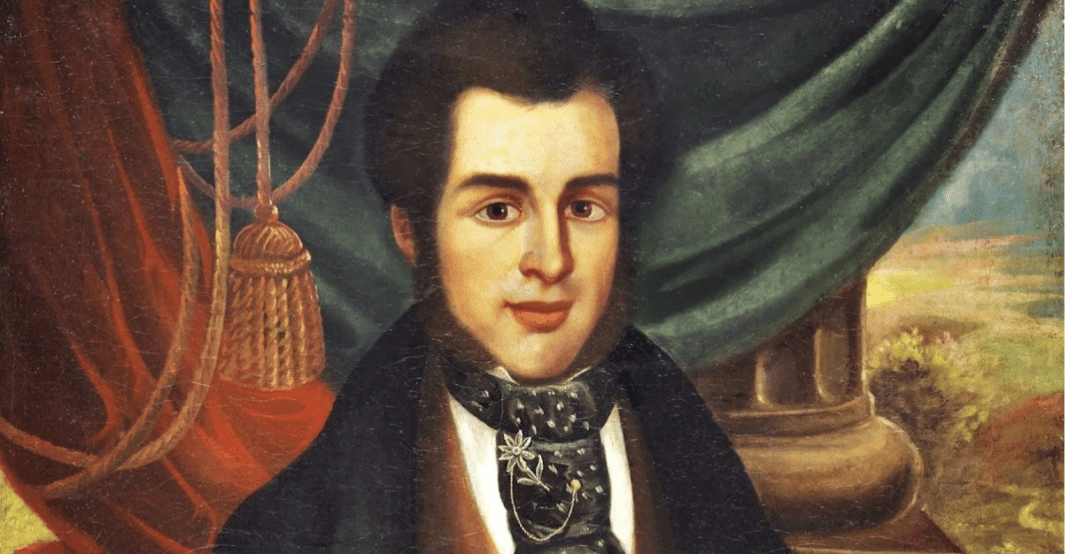

Humphrey Morrey is known as the first mayor of Philadelphia. At the time, this position was not elective and persisted to be an unpaid public service duty. Morrey was appointed to it by William Penn, the founder of the city. This occurred as a result of the man’s successful business operations and ability to acquire considerable assets after relocating to America from England. We will tell you more about the life and fate of Philadelphia’s first mayor. Learn more at philadelphiayes.
Early years and life in England
Humphrey Morrey was a well-known Quaker merchant in America, and the local aristocracy held him in high regard. However, he spent the first half of his life in England. Little is known about it because there are almost no official records from this time period left.
Humphrey’s probable year of birth is 1640. He is known to have a brother named Leonard. The first official records of Humphrey Morrey relate to the baptism of his child in London in 1661. Thus, the young man was already married at the time, although no records of marriage with a girl named Ann were discovered. As a result, the only evidence that the couple lived in London is the records of the baptism of children from 1661 to 1675.
During those years, London was a typical medieval city, small and densely populated. The winding, narrow streets occasionally featured uneven walkways that were nearly impossible to navigate. There was no water supply or sewer system, thus sewage was drained into the Thames. There was also no street lighting, so after dark, you could only go around the city with a torch or lantern.
In 1665, the city was hit by the bubonic plague, which spread throughout the country. Although the plague claimed thousands of lives, the majority of the Morrey family managed to survive. The next calamity in London was a fire that completely destroyed the city central part of the city.
Around this time, Humphrey Morrey and his family relocated to America, where he began his new career as a businessman and politician.
Land trade and other businesses
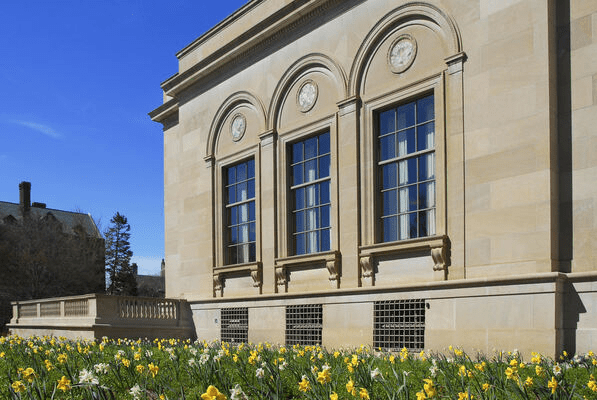
Humphrey Morrey came to Philadelphia in 1683. He bought a house and a plot of land in the southern section of the city. Two years later, the man built a new house in the place of the old one. It was a big, wooden edifice with brick chimneys. Morrey eventually became the owner of the entire block, and his successful journey was only beginning.
How did Humphrey manage to make money and gain popularity among the local elite? He was a successful businessman who engaged in:
- importation and trade of wine from England
- food trade
- land speculation.
Back in England, the man had enough money to acquire the rights to 250 acres of land in Pennsylvania. As a result, he and his sons and grandchildren greatly increased their initial possessions. While earning money in the New World, Morrey actively purchased land plots in Philadelphia. He accurately estimated the city’s growth rate, eventually selling them successfully and making a profit.
Morrey’s land holdings peaked in 1692, about ten years after arriving in Pennsylvania. These included large plots on Chestnut Street and Mulberry Street, as well as more than 500 acres in Cheltenham and over 400 acres in Gloucester County, on the Delaware River. The following year, he began to sell, which increased both his capital and his social standing.
The first mayor of Philadelphia
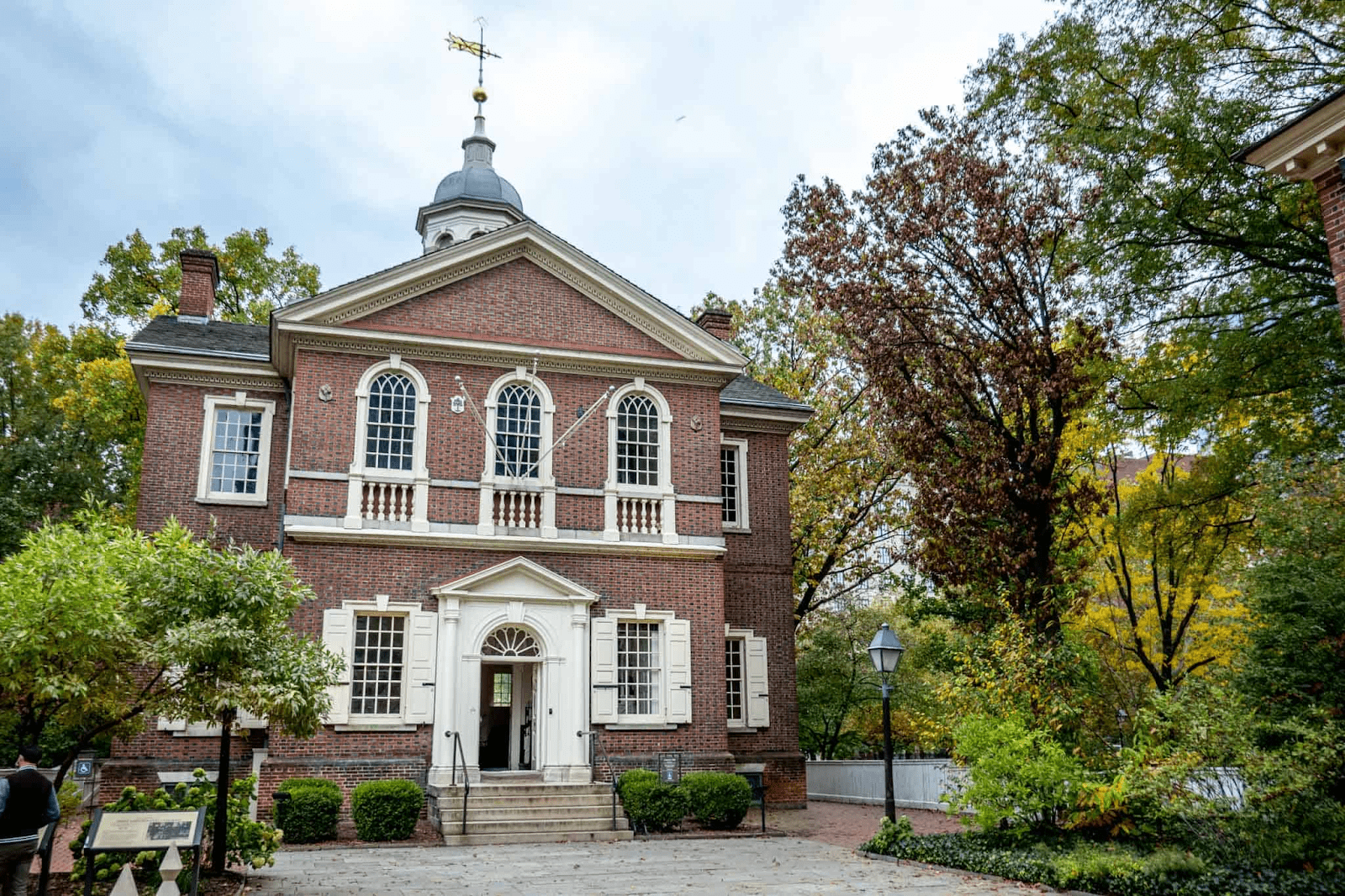
Humphrey Morrey’s wealth gave him influence in society at the time, as well as the possibility to participate in political life. At the time, the Pennsylvania government was facing disagreements between the colony leaders and William Penn. In 1682, the Assembly and State Council were established. Humphrey Morrey entered both bodies. He was elected to the Assembly twice: in 1687 and 1690. Even earlier, in 1685, he was named Justice of the Peace for the County of Philadelphia.
In 1691, Philadelphia was granted city status. William Penn then appointed Morrey to the position of mayor. The job was unpaid, but Humphrey worked on it for a decade. It was not until 1701 that William Penn named Edward Shippen as his successor. Afterward, the city council re-elected the latter for a second term.
During his tenure as mayor, Humphrey Morrey took part in the submitting of a petition to the Assembly in 1695. In it, residents complained about Philadelphia’s living conditions, namely concerning tippling houses that corrupt young people, as well as the need to increase social control and law enforcement powers. Morrey was also engaged in the prison’s construction, laying streets and regulating piers.
Humphrey’s wife died at quite a young age, as did the majority of their children, who were not destined to live to adulthood. After becoming a widower, Morrey maintained a modest lifestyle and did not boast about his wealth. The man limited himself to what was necessary and lived like a decent Quaker.
Humphrey Morrey died in 1716. In his will, he included his brother Leonard, cousin John, son Richard, two daughters-in-law and two grandchildren. His son and grandchildren inherited the estate and land holdings, but they did not follow in the footsteps of the Quakers. Morrey’s male line was eventually interrupted, but Humphrey’s name lived on as the first mayor of Philadelphia and businessman to develop his own wealth in a new country while also achieving success on the political scene.