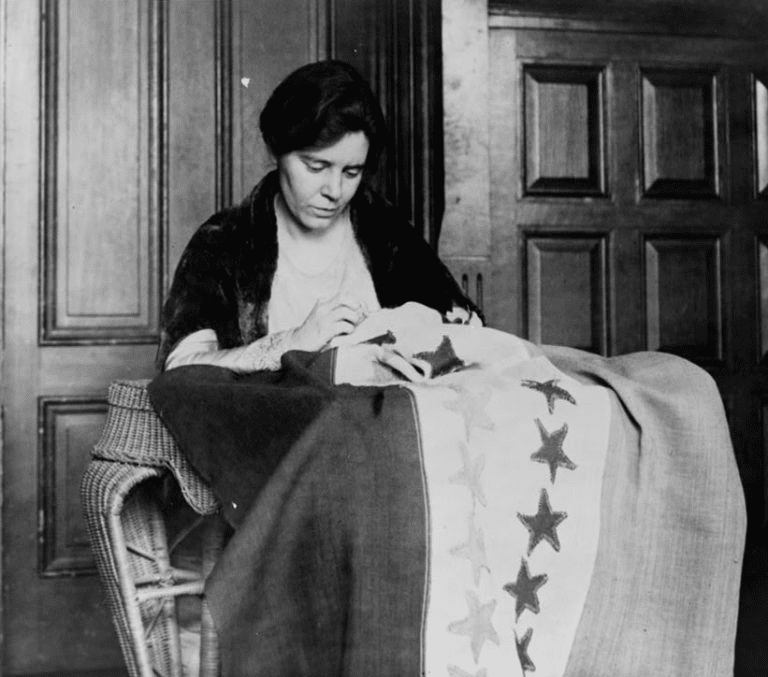

In many ways, Philadelphia was and remains a progressive region, but it was not a leader when it came to women’s suffrage. It took women over 100 years of struggle to win the right to vote, but they were steadfast in their goal and never stopped paving the way to achieve it. Read more about this journey in our article at philadelphiayes.
The Start of the Women’s Rights Movement
Changes in election laws were tied to the U.S. gaining independence. After the Constitution was signed, the state of New Jersey was the first to grant women the right to vote, in line with new legislation. However, this right was granted to all who owned sufficient property, so very few people could actually use it due to widespread poverty.
In 1807, this approach was overturned, and the right to vote was granted exclusively to white men, even though it contradicted the Constitution. This situation became the norm in most states in the early 19th century, including Pennsylvania. This marked the beginning of the fight for women’s suffrage.
In 1852, women in Pennsylvania held their first convention on this issue. The event was led by Lucretia Mott and Mary Ann White Johnson. Mott and Sarah Pugh also co-founded the interracial Philadelphia Female Anti-Slavery Society. They also organized a national women’s rights convention in Philadelphia in 1854. These events focused on women’s rights in general, including the right to vote.
In 1866, activists organized the American Equal Rights Association (AERA), led by Lucretia Mott. The following year, Robert Purvis established the Pennsylvania Equal Rights Association. He supported the idea that both African Americans and women should be granted the right to vote. It’s worth noting that the women’s rights and African American rights movements happened concurrently, but Black men were the first to be granted the right to vote.
This event caused the AERA to split in 1869:
- The National Woman Suffrage Association (NWSA), led by Elizabeth Cady Stanton and Susan B. Anthony, opposed the decision.
- The American Woman Suffrage Association (AWSA), led by Lucy Stone and Henry Blackwell, believed that this expansion of suffrage was the first step toward achieving the goal for women.
Meanwhile, in 1868, Portia C. Gage attempted to vote in a municipal election. She was not a registered voter, so she was unable to cast a ballot. Undeterred, she returned to the next election with 171 other women and her own ballot box. This practice was adopted by women across the country. In Philadelphia in 1871, Carrie S. Burnham tried to vote and, after being denied, filed a lawsuit. The court ruled against her, and she appealed to the state Supreme Court but also lost the case.
The Struggle Continues
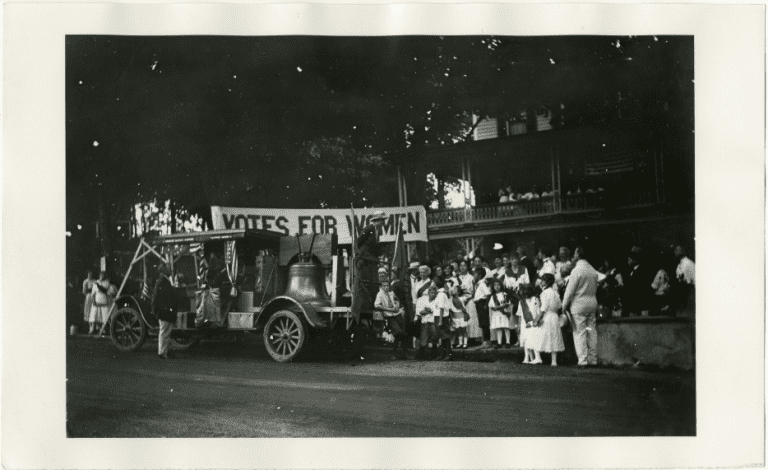
In 1876, the Philadelphia Civic Suffrage Association used the 100th anniversary of independence to once again draw attention to the issue of women’s suffrage. There was a contradiction between the ideals of the new nation and reality, but it was difficult to overcome. The organization’s leaders heavily lobbied for a women’s suffrage amendment. They decided to create a Declaration of Rights for Women of the United States, which they read and distributed during Fourth of July celebrations.
Despite all their efforts, Congress rejected the suffrage amendment in 1887. After this, the NWSA and AWSA decided to merge their efforts again. In 1890, they formed the National American Woman Suffrage Association (NAWSA). In Pennsylvania, the Women’s Suffrage Society was active, encouraging women to organize local chapters. As a result, the Philadelphia Woman Suffrage Society was founded, led by Jane Campbell.
At the beginning of the 20th century, even more societies supporting women and joining the movement for suffrage appeared in the city. As a result, it became increasingly difficult for Congress to ignore the movement.
Reaching the Goal
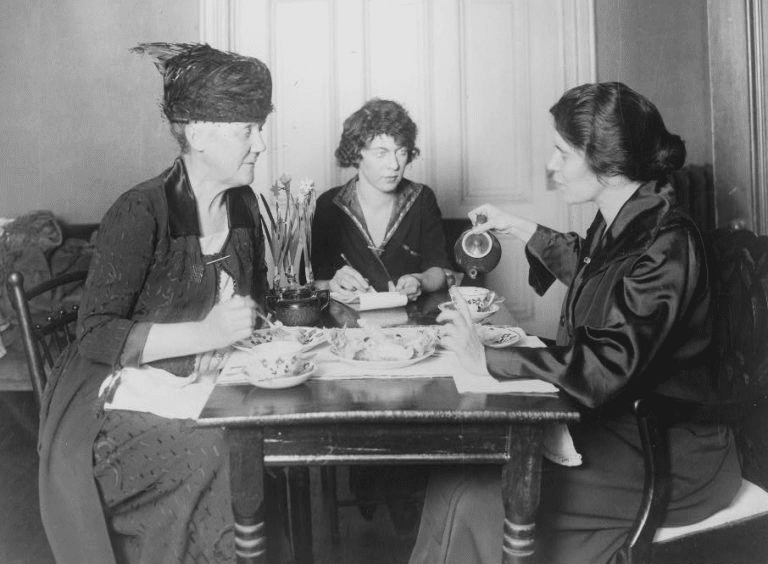
A new phase in the fight for women’s suffrage began with the emergence of new leaders. One of them was Alice Paul, who lived in Great Britain after attending the University of Pennsylvania and brought back local ideas for the movement in the U.S. She advocated for organizing parades, rallies, and constantly drawing public attention to the issue of women’s suffrage.
Alice tested her new ideas in Philadelphia. In 1914, she launched a large-scale May Day celebration. The following year, she initiated a large campaign for women’s rights at the state level and a referendum on the issue.
The long years of struggle ended when, on June 4, 1919, Congress passed the Nineteenth Amendment granting women the right to vote. The next step was for the states to ratify the document. Pennsylvania was one of the first to ratify it on June 24. New Jersey’s consideration of the amendment lasted until 1920, and Delaware’s until 1923.
Over one million women voted for the first time in Pennsylvania in the November 2, 1920, election. The path to gaining this right was long and difficult, but it was not in vain.