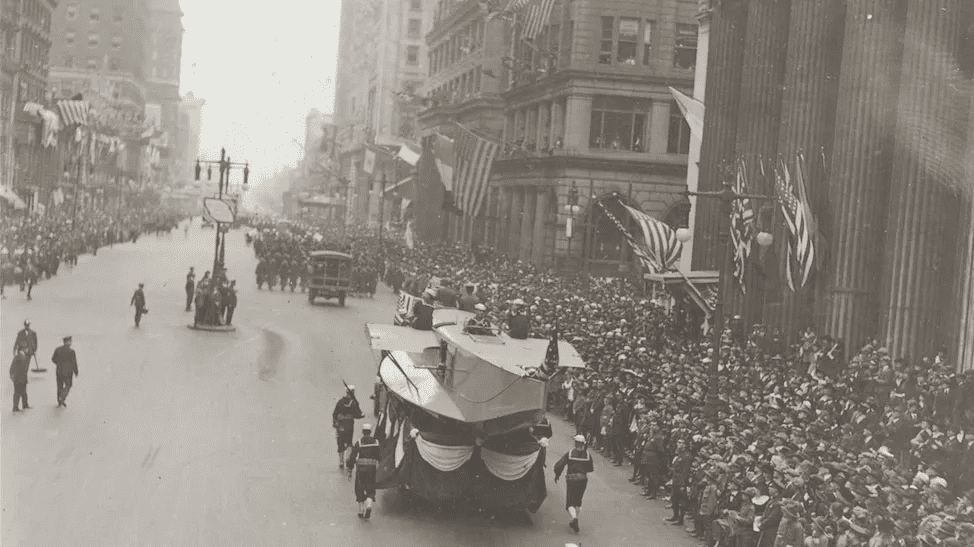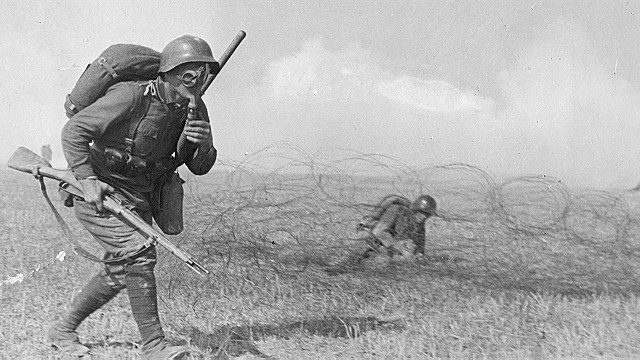

The North American continent did not suffer the same devastating destruction as Europe during the Great War, which was later christened World War I. However, across the ocean, Philadelphians still felt the effects of economic instability and the pain of losing loved ones. German Americans living in the Philadelphia area experienced this time with particular hardship. Read on at philadelphiayes.com to learn more about what took place in the City of Brotherly Love during four years of total war on our planet.
Why Did Citizens Help Their European Partners?
On June 28, 1914, Archduke Franz Ferdinand of Austria and his wife, Sophie, were assassinated in Sarajevo. One month later, on July 28, the Great War, as it was called by contemporaries, erupted. It would later become known as World War I.
Although the United States did not join the fighting until near the end, the contribution of American society to restoring peace was crucial. The efforts on the home front, particularly in our region, powerfully supported the European partners in their fight against aggressors.
Residents of America’s first capital followed the war through newspapers, which reported on massacres in Belgium and the first local casualties. When a British ship was hit by an enemy vessel, 27 Philadelphians lost their lives. News like this angered residents, who channeled their frustration into good deeds, providing financial aid to victims in Europe. The people of Philadelphia realized that this war was not some distant conflict; it was much closer than anyone could have imagined.
Industrial Development
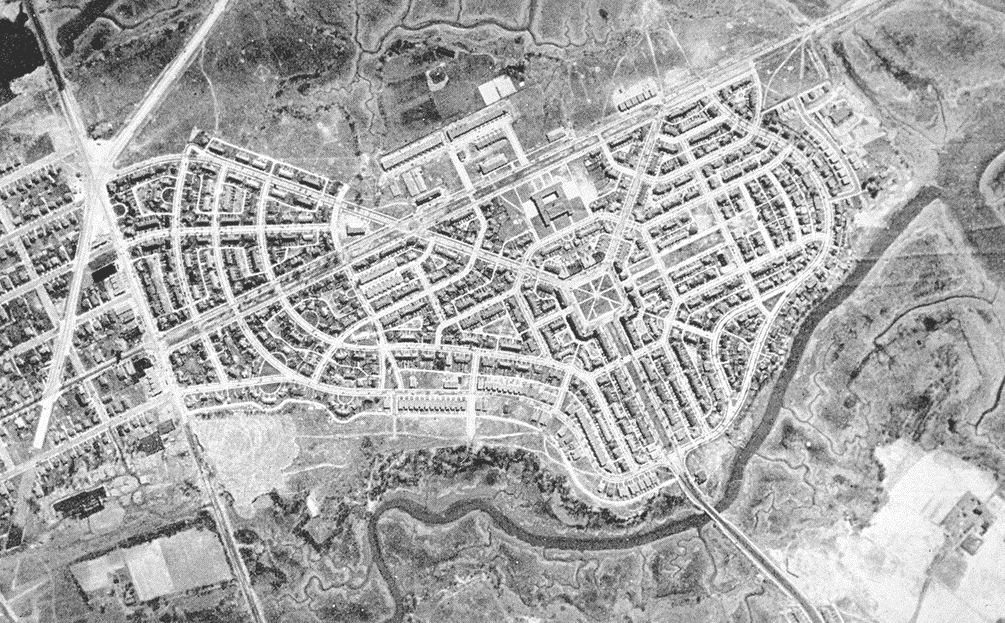
As cynical as it may sound, the global conflict spurred industrial development in our city. New factories, plants, and companies were actively built, primarily producing weapons, military ammunition, and clothing. The textile industry, which had been slumping at the start of the 20th century, saw significant growth.
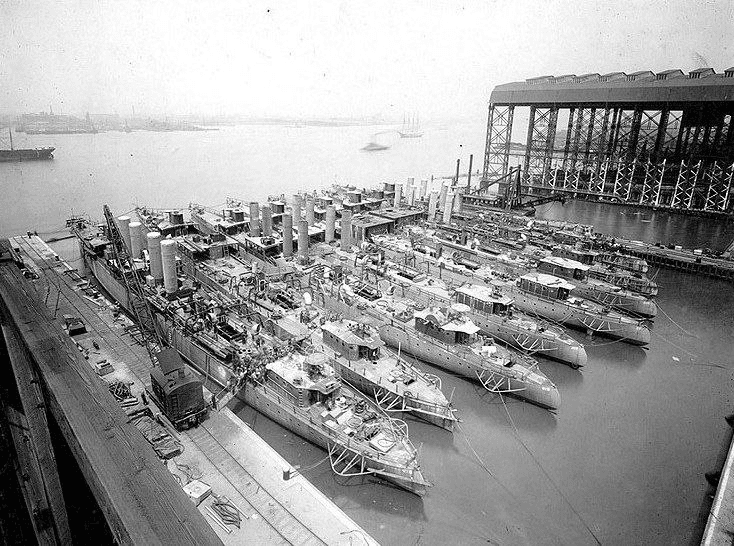
The shipbuilding industry was also revitalized; one Philadelphia shipyard built over 320 naval vessels during the war. Furthermore, nearly 70% of the shoes worn by American and Allied European soldiers came off a Philadelphia assembly line.
During the Great War, local companies became incredibly successful. Notably, entrepreneur Pierre du Pont and his namesake company earned vast sums from exporting military equipment and weapons, supplying nearly half of the Allies’ combat potential.
How Did Life Change for City Residents?
On the home front, Philadelphians quickly rallied around the global cause. They established “Liberty Loan” drives, directing their funds to help war victims. At the same time, local officials introduced special conservation days, when residents would go without fuel or avoid buying flour and other related products. Philadelphia society fully immersed itself in the wartime effort, living by strict moral principles, which later led to financial hardship due to the constant export of essential goods.
Local authorities tried to encourage participation in the militarization of society using patriotic narratives, such as: “If you’re not helping the front, you’re not an American, you’re a German.” In parallel, an “Americanization” program aimed to assimilate foreigners fleeing the war.
Wartime industrial growth and labor shortages also attracted African Americans from the southern states. This movement to industrial cities like Philadelphia was known as the “Great Migration.” African Americans, hoping to escape the harsh and inhumane laws of the South, sought better opportunities in the North. Many worked in Philadelphia’s industrial facilities, and despite unstable wages and grueling work, they felt needed. However, the city’s white population often viewed them with negativity, fearing competition for jobs.
The National Association for the Advancement of Colored People (NAACP) was a civic union that worked to eliminate discrimination in Philadelphia. However, even it could not prevent physical altercations, which resulted in the deaths of two Black men and one white man.
Another characteristic of the era was the overwhelming number of jobs filled by women.
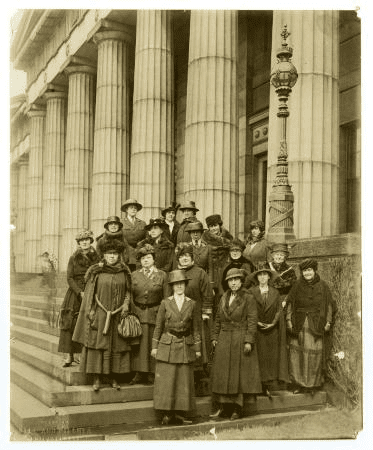
When the United States joined the war, the male population was mobilized. Historical sources indicate that 60,000 men from the City of Brotherly Love went to war. Women filled their vacant jobs, creating the illusion of gender equality in the local labor market. It’s also worth mentioning the nearly 2,000 city women who joined the army, though they primarily served in non-combat roles.
Anti-German Sentiment and the Aftermath of War
Like many of America’s oldest settlements, Philadelphia was built by European immigrants, with a large population of Italian and German descent. With the outbreak of World War I, descendants of these groups, particularly Germans, faced discriminatory movements.
The City of Brotherly Love became divided. Some saw German Americans as hostages of a hostile regime, while the vast majority held radical views against them. The foreign-language press was among the first to suffer, with its employees being jailed. Soon, anything related to German culture was banned in schools, and monuments to Goethe, Schiller, and Bismarck were destroyed.
This radicalism manifested in moments that might seem absurd today, such as renaming sauerkraut to “liberty cabbage” and banning the public performance of Christmas songs mentioning Kris Kringle.
German Americans defended their position, protesting on local streets against the persecution and against American intervention in the Great War. They called on local officials to protect them, asserting that they were part of a free society.
With the arrival of peace, the city faced several new challenges: the Spanish flu epidemic and an economic crisis. Philadelphia authorities implemented a series of measures to limit activities at schools, theaters, and other public gathering places. Despite these efforts, the disease tragically claimed more lives in a few months than the war had during the entire year of U.S. participation.
Another misfortune was that the city had tied its industrial might so closely to the reality of war. When the Allies achieved victory on the European continent, Philadelphia’s war-focused businesses found themselves irrelevant in peacetime. Without the high demand for military equipment, many enterprises closed. Companies that had produced tens of thousands of goods and technical equipment for the American war machine each week were suddenly no longer needed. This led to mass layoffs, leaving citizens at a social crossroads. Unrest, fueled by racial discrimination and economic hardship, grew in the City of Brotherly Love. In the post-war era, the epidemic and financial difficulties led even some of the most ardent patriots to question the cost of their country’s participation in the war. Others blamed local authorities for the dismal outcome.