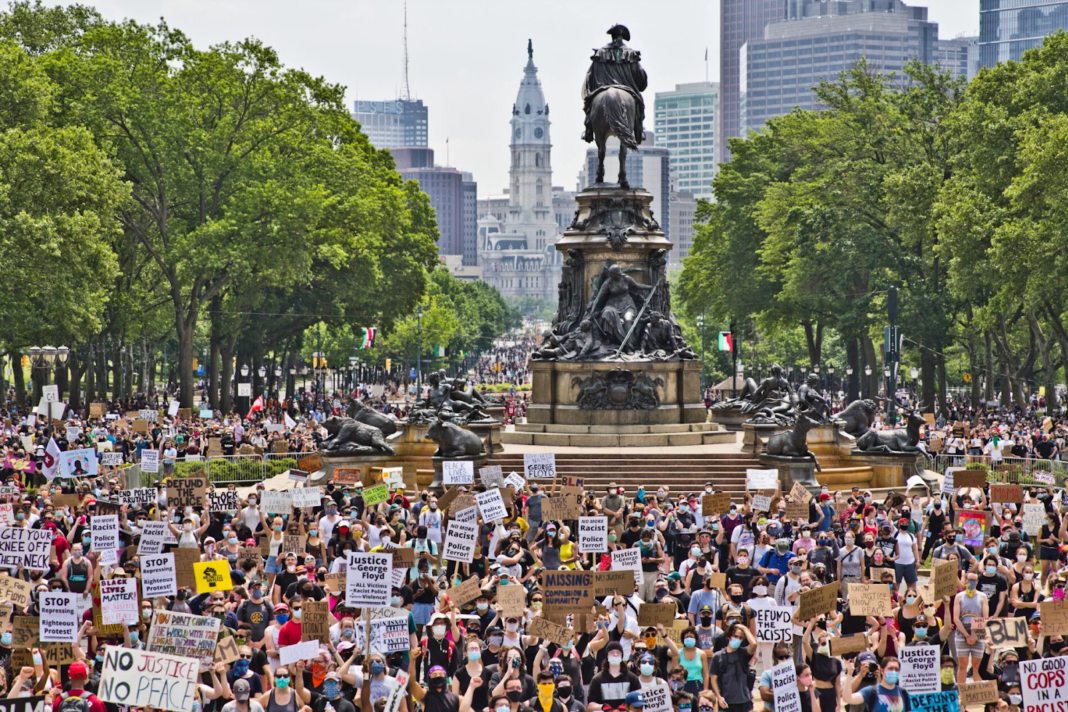

Philadelphia residents have always been vocal about local and national issues, and this often leads to protests aimed at holding authorities accountable and driving positive change. However, these demonstrations can turn turbulent and dangerous, as was the case in May and June of 2020 following the murder of George Floyd by police in Minneapolis. In this article, we delve into the nearly month-long protests and their lasting impact. Learn more at philadelphiayes.
The Spark That Ignited the Protests
The tragic killing of 46-year-old George Floyd, a Black man, in Minneapolis, Minnesota, sent shockwaves not only through the United States but across the globe. On May 25, 2020, Floyd was being detained by four police officers. He was unarmed.
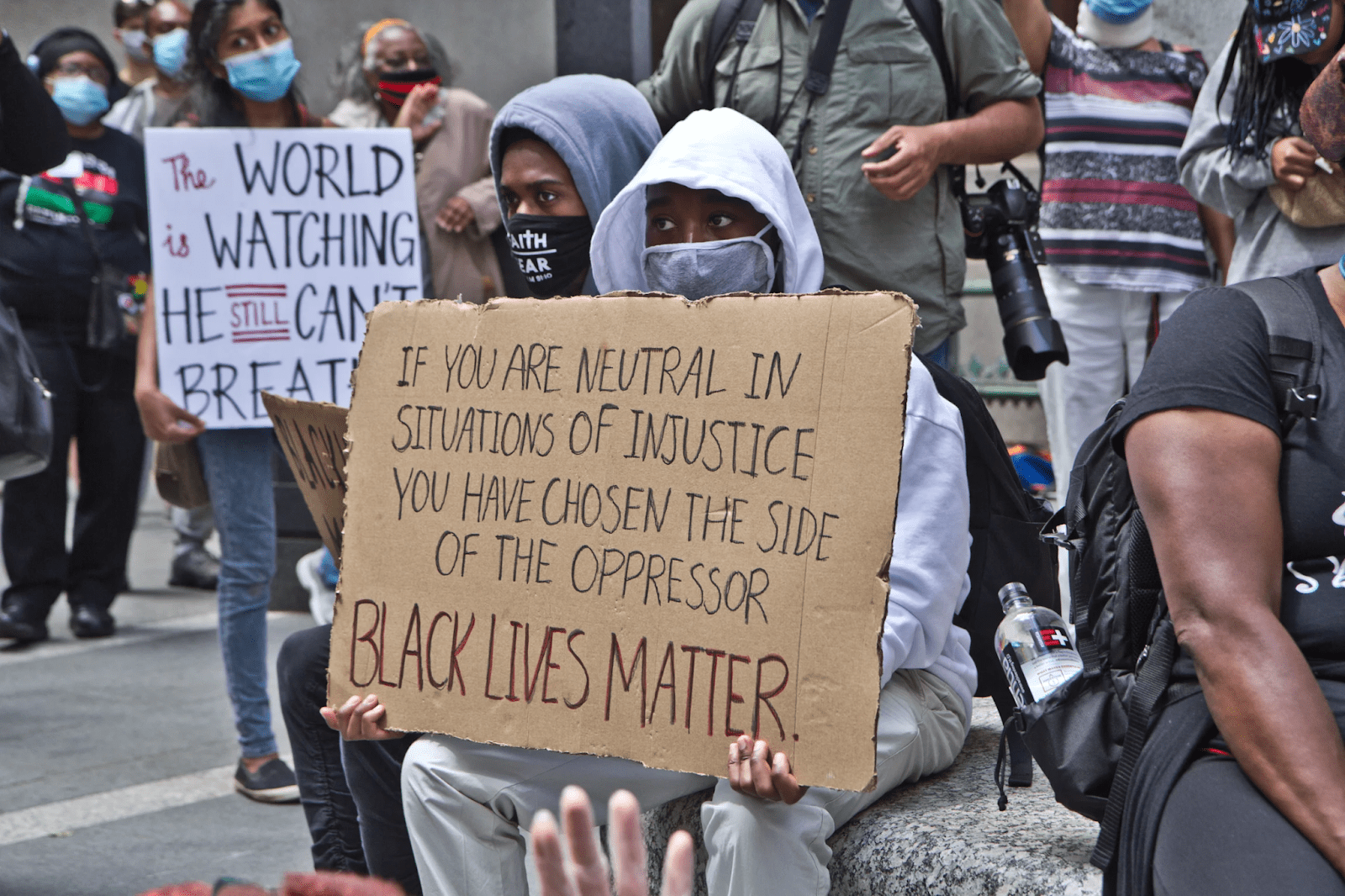
Shortly after, a video went viral showing Officer Derek Chauvin kneeling on Floyd’s neck for over nine minutes. Floyd lay face down on the ground, handcuffed, repeatedly pleading, “I can’t breathe.” While this happened, two other officers helped hold him down, and a fourth prevented anyone from intervening.
George Floyd died as a result. This wasn’t the first time an unarmed Black man had died in police custody under similar circumstances. In 2014, Eric Garner died after being put in a chokehold by an officer on Staten Island. Garner also repeatedly said, “I can’t breathe.”
The video and details of Floyd’s death spread rapidly the next day, and mass protests erupted in Minneapolis. The demonstrations quickly spread to cities across the U.S. and around the world. The wave of outrage reached Philadelphia on May 30, as residents took to the streets.
A Wave of Protests
On May 30, 2020, the initial protesters gathered at Philadelphia’s City Hall at noon. They knelt in silence for 10 minutes, symbolizing the time Chauvin had to save Floyd’s life instead of suffocating him.
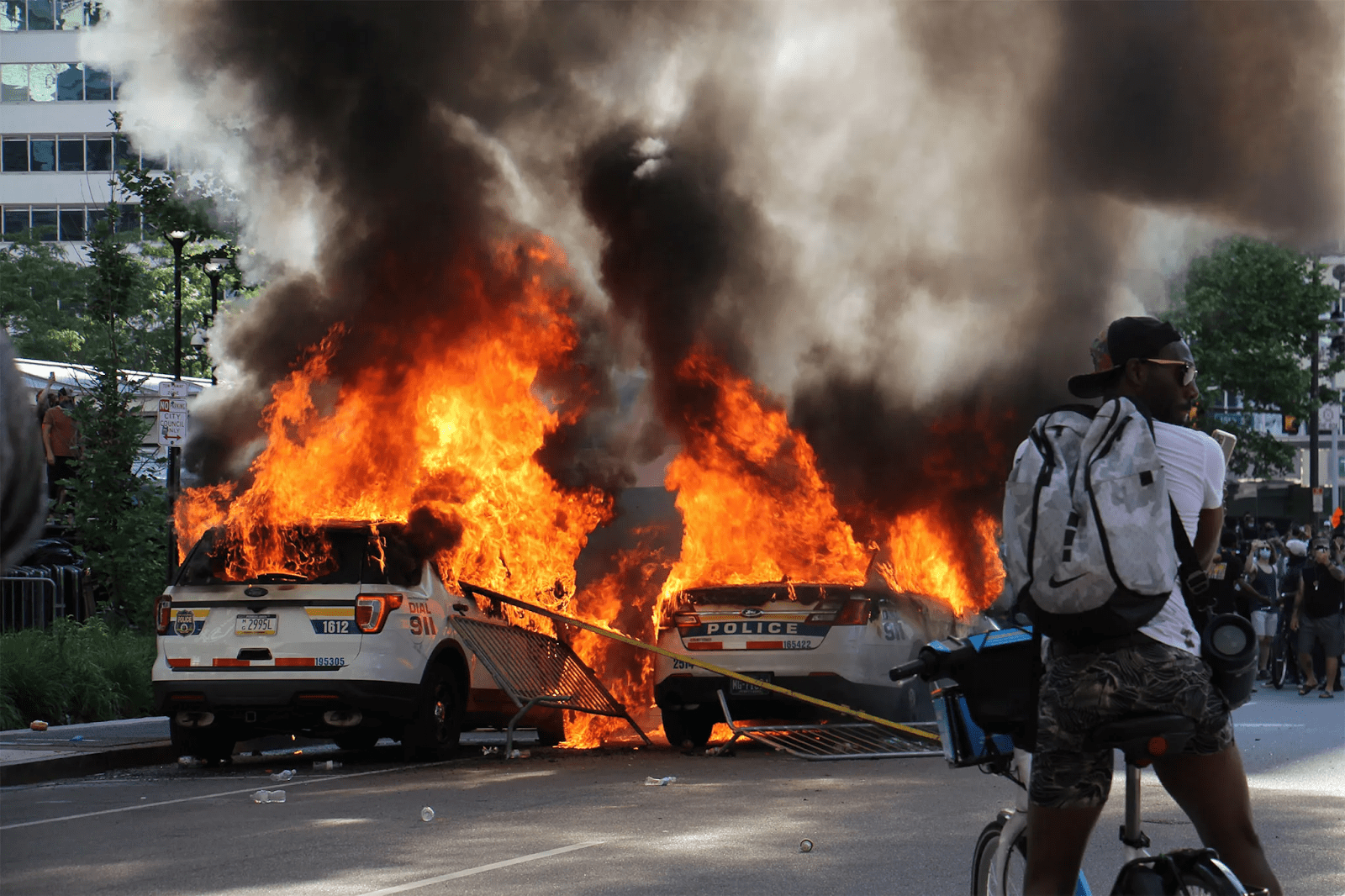
At 1 p.m., the crowd marched from City Hall to the Philadelphia Museum of Art for a demonstration. However, the situation quickly escalated and turned violent:
- Protesters began setting police cars on fire.
- Several businesses in the city center were looted.
- A fire broke out in a three-story building at 17th and Walnut streets.
- The statue of former Philadelphia mayor and police commissioner Frank Rizzo was spray-painted, and people tried to topple and set fire to it.
Throughout the day, clashes between citizens and police left 13 officers injured, and more than 200 people were arrested. One officer was hit by a car while trying to stop looters. That evening, the mayor implemented a curfew starting at 8 p.m. Other cities also imposed curfews as the volatile protests posed a danger to residents.
The following day, the Pennsylvania National Guard was called in. Volunteers cleaned up glass and debris from the city center, and major streets were closed to traffic. But the looting and destruction continued and even spread. Protesters set more police cars on fire, showing no signs of stopping. On this day, the curfew was moved up to 6 p.m.
On June 1 and 2, large demonstrations took place, but they were much more peaceful, and incidents of vandalism and rioting began to decrease. On June 3, the Frank Rizzo statue was dismantled and moved to a city storage facility.
On June 6, more than 66,000 Philadelphians gathered to protest. In the following days, rallies and demonstrations calling for police reform continued on a smaller scale, with protests lasting until June 23.
Aftermath of the 2020 Protests
According to official reports, over 800 people were arrested during the Philadelphia protests that followed George Floyd’s murder. Some were punished for their offenses. Notably, not only civilians but also police officers who violated citizens’ rights were among those arrested and disciplined.
In a major development, the city government paid out $9.25 million to settle a class-action lawsuit regarding the city’s response to the protests. That November, a new Police Oversight Commission was established to replace the Police Advisory Commission, which had significantly less authority and a smaller budget. It took time to get this new commission running, but it was precisely the kind of change protesters had been demanding.
Ultimately, George Floyd’s death at the hands of a police officer led to changes aimed at preventing violence during interactions between law enforcement and civilians. These included bans on no-knock warrants and a prohibition on kneeling on a person’s neck, face, or head during an arrest.
Residents still remember the events of 2020 and continue to stand up for their rights—a cornerstone of a just society.