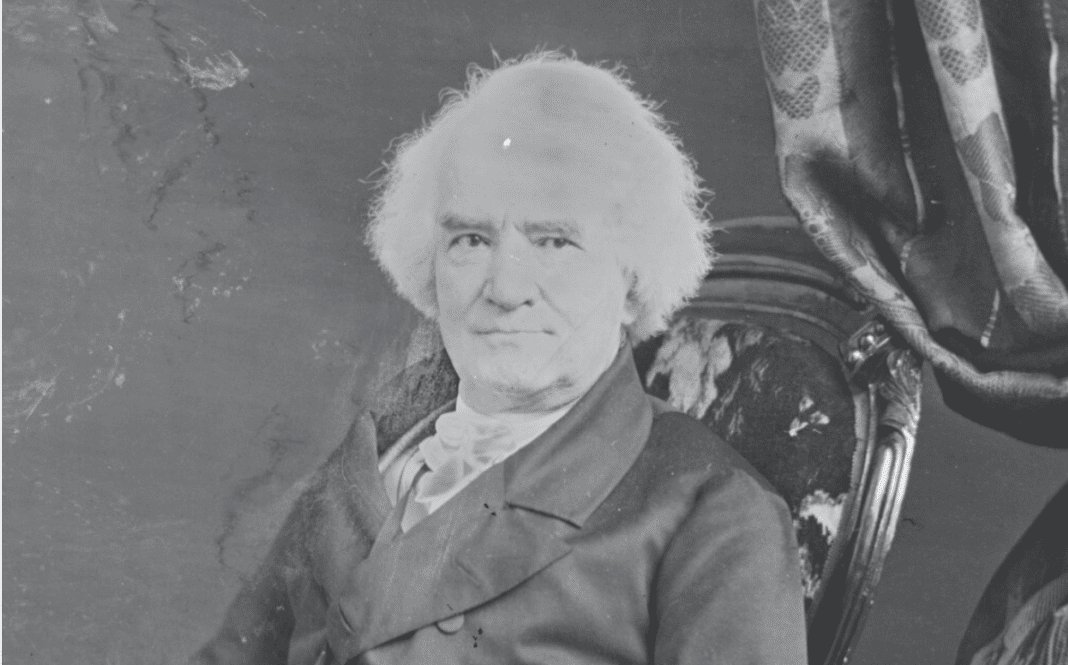

American politician George Dallas had a long career and held numerous positions in politics. He was Philadelphia’s mayor, a minister and the 11th Vice President of the United States. His father hoped to see his son succeed in law, but he took a different path and was able to put his talents to good use. We will tell you more about the life of a well-known politician who was born and raised in Philadelphia. Find out more at philadelphiayes.
Family and education
George was born on July 10, 1792, in Philadelphia. His father, Alexander James Dallas, was of Scottish descent and had a successful political career. He served as the Treasury Secretary under the James Madison administration and then as the Secretary of War. His mother, Arabella Smith, was born in England.
The family had six children. They lived on Fourth Street and had a private home in the countryside. Given his father’s occupation, George became immersed in politics from a young age and began to question how it worked and what career options it offered.
The young man completed his basic education in Quaker preparatory schools before enrolling at the College of New Jersey. In 1810, he graduated with distinction from this school. He then started working in his father’s office, where he studied the law. In 1813, he was admitted to the bar.
Diplomatic and political career
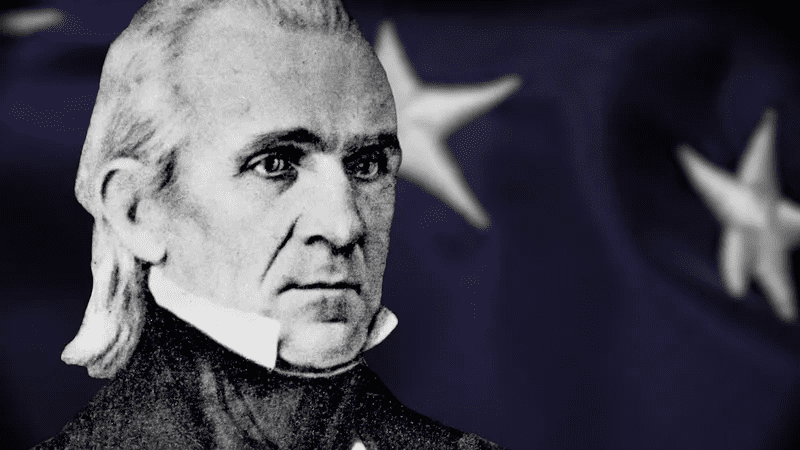
For the young man, the prospect of a legal profession was not particularly appealing. When war broke out with Britain in 1812, he wished to join the army, but his father objected. Instead, Dallas was assigned the role of secretary to diplomat Albert Gallatin. He accompanied him to Russia in search of support. Six months later, this mission was carried out in London.
George returned to the United States in the summer of 1814 with a draft of Britain’s peace terms. Following that, he was appointed to a position in the Treasury, which his father had arranged. He did not give up hope of his son becoming an accomplished lawyer, and he did not support his desire to engage in politics immensely.
George later became an adviser to the Second Bank of the United States. When his father died in 1817, Dallas was appointed deputy attorney general of Philadelphia. He held this position until 1820, at which point he began to arrange his own career.
It is important to mention that the political situation in postwar Pennsylvania was rather unstable. Different parties fought for control. The “Family Party” was created in Philadelphia, with Dallas as its leader. He advocated for the supremacy of the Constitution, the establishment of a strong centralized banking system and the promotion of national trade to strengthen the economy.
The Dallas party took control of the city council, and George served as mayor of Philadelphia for one year. However, in 1829, he became a prosecutor in the eastern district of Pennsylvania. Simultaneously, he won the election and was elected Senator of Pennsylvania. He stayed in this position for just over a year, leading the Committee on Naval Affairs. He did not run for a second term, partly because of his own reluctance and partly because his wife did not want to leave Philadelphia.
Following that, George returned to practicing law, serving as Attorney General of Pennsylvania until 1835, and joined the Freemasons. In 1837, he was appointed minister in Russia, where he spent the next two years.
Unexpectedly, Dallas became a Democratic presidential candidate in 1844 after another candidate refused to participate in the race. He was informed of this possibility while at home. George considered it and eventually decided to put forth his candidacy. The election results were impossible to foresee at the time, but he was destined to win and become vice president. During his tenure, he:
- advocated for a protectionist tariff policy while also working to reduce tariffs
- supported the annexation of Oregon and Mexico during the Mexican-American War for the sake of territorial expansion of the United States; however, he was ultimately satisfied with the agreements that were reached
- was instrumental in the appointment of Robert Walker as Secretary of the Treasury.
While serving as vice president, George planned to run for president in 1848. However, the fact that he opposed the tariff cut and did not vote for it greatly lowered his popularity in Pennsylvania. Furthermore, Dallas’ support for popular sovereignty on the topic of slavery contributed to this negative attitude. So he eventually gave up the idea. He served as vice president until 1849.
Final years of life
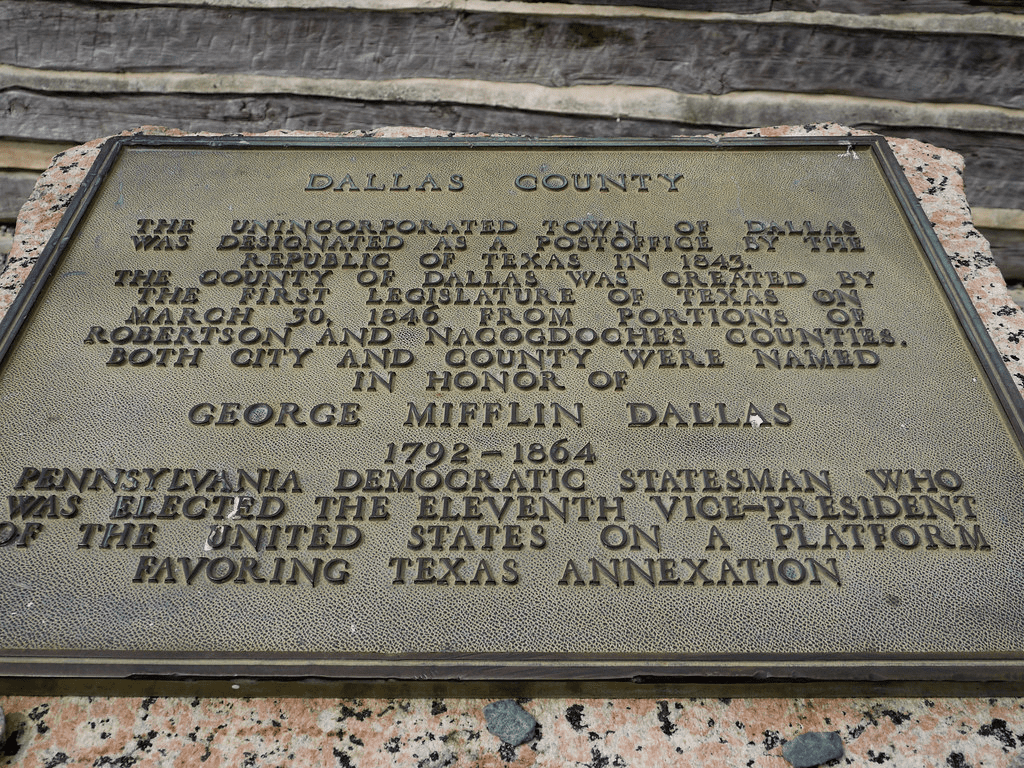
Dallas was appointed US Minister to the United Kingdom in 1856 and served until 1861. He was able to effectively address several disputable issues in cooperation between the two countries. After his diplomatic career ended, he did not engage in the country’s political life. On rare occasions, he gave speeches on the present issues.
The prominent politician died in Philadelphia on December 31, 1864. He was laid to rest in the graveyard of St. Peter’s Church.