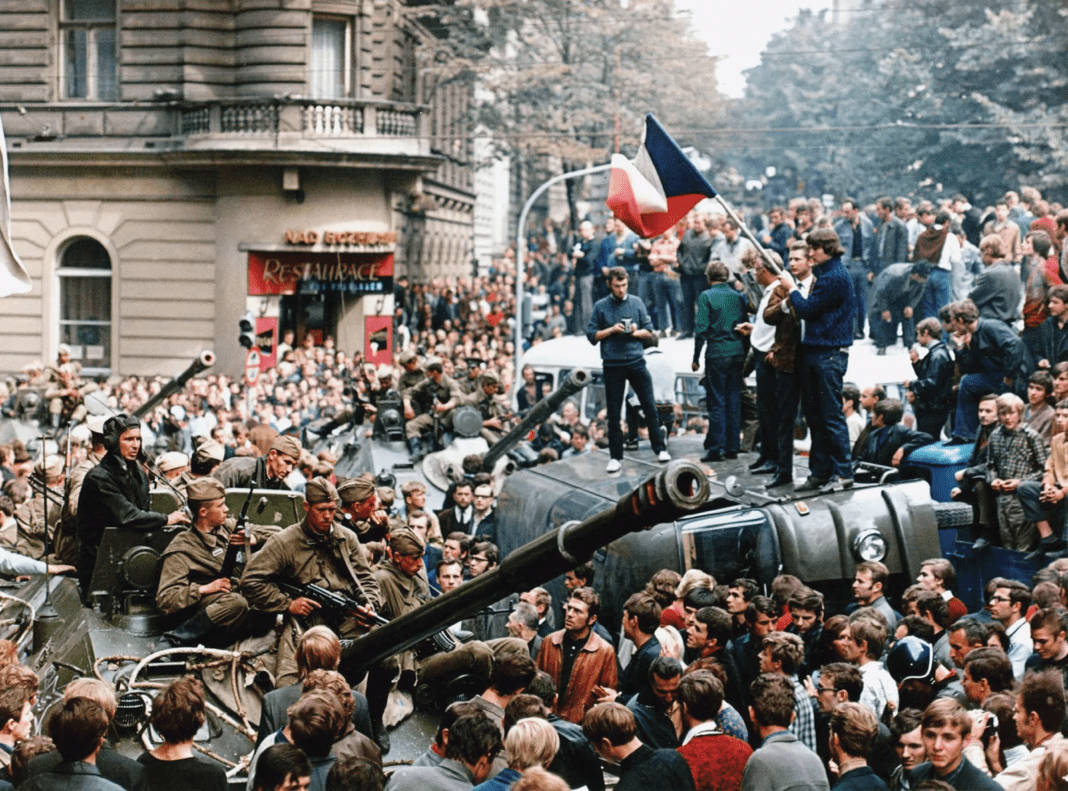

Probably, every second person has heard about such a historical event as the Cold War. However, few people know the deeper facts, which will be described in this article. Philadelphia, unsurprisingly, played a significant role in this period, gaining political, military, and cultural influence. Learn more at philadelphiayes.
The Cold War and the Philadelphia contribution
First of all, it should be noted that the Cold War was quite a long-lasting one, as it continued from 1947 to 1991. It was a clash between the USA and the Soviet Union. Although this conflict didn’t have a direct military confrontation, the Philadelphia region acted as the first line of defense. The city prepared an arsenal that could protect all of America from an attack by the Soviet Union.
The beginning of the Cold War coincided with the end of the Second World War. Nobody could imagine that the former henchmen, who fought against the German invasion, would once again enter the path of rivalry. The conflict was budding long before the war began, as America promoted its narratives of capitalism while the Soviets recognized communism only.
Starting from 1947, the Cold War was gaining momentum. Each side tried to gain support and expand its international influence. The main weapons in this confrontation were espionage, propaganda, the threat of using atomic weapons, the space race, etc.
The mid-1970s saw an abatement in the confrontation. That period was called a thaw. However, after the Soviet Union invaded Afghanistan in 1979, all of the affords went to waste and the conflict escalated again.
The end of World War II
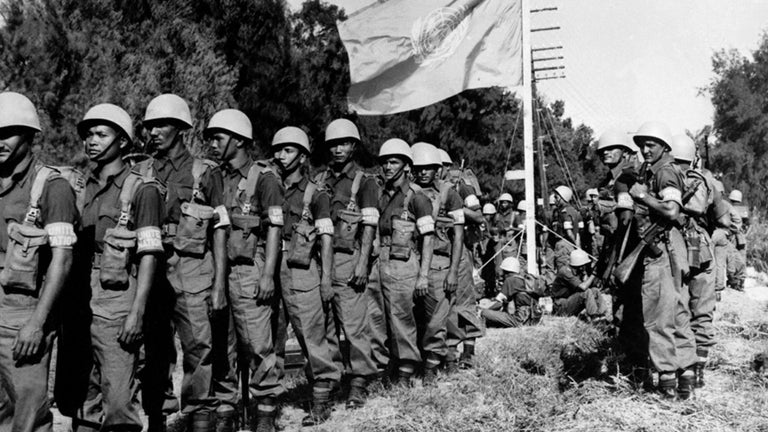
The end of the war was a relief for every resident of Philadelphia. People were cheering because of the demobilization of the military as well as the cancellation of rations and all restrictions. The city was replenished with new buildings, while the old ones were being rebuilt. Universities were filled with students, including veterans who got the opportunity to get an education after the war. After the end of the war, Philadelphia was the third-largest city in all of the USA.
However, in contrast to the improvement in the lives of ordinary residents of Philadelphia, the military began to suffer. Their warships were decommissioned and personnel were actively reduced, as there was no longer a need for them. Against such a backdrop, fears about communism were growing. The media, political leaders and other personalities warned about an internal threat, which fueled the fear in the population of Philadelphia.
Communism in Philadelphia
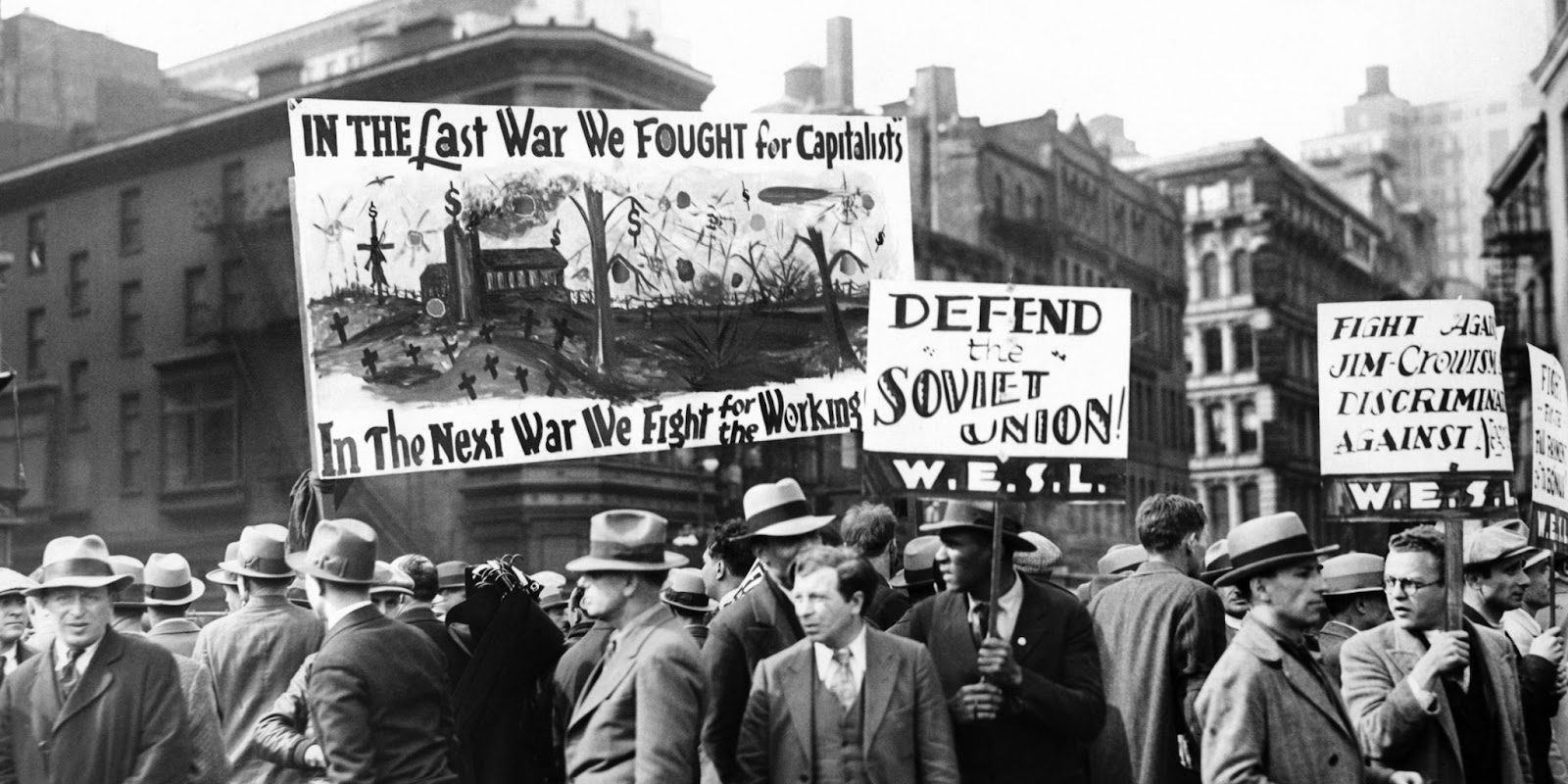
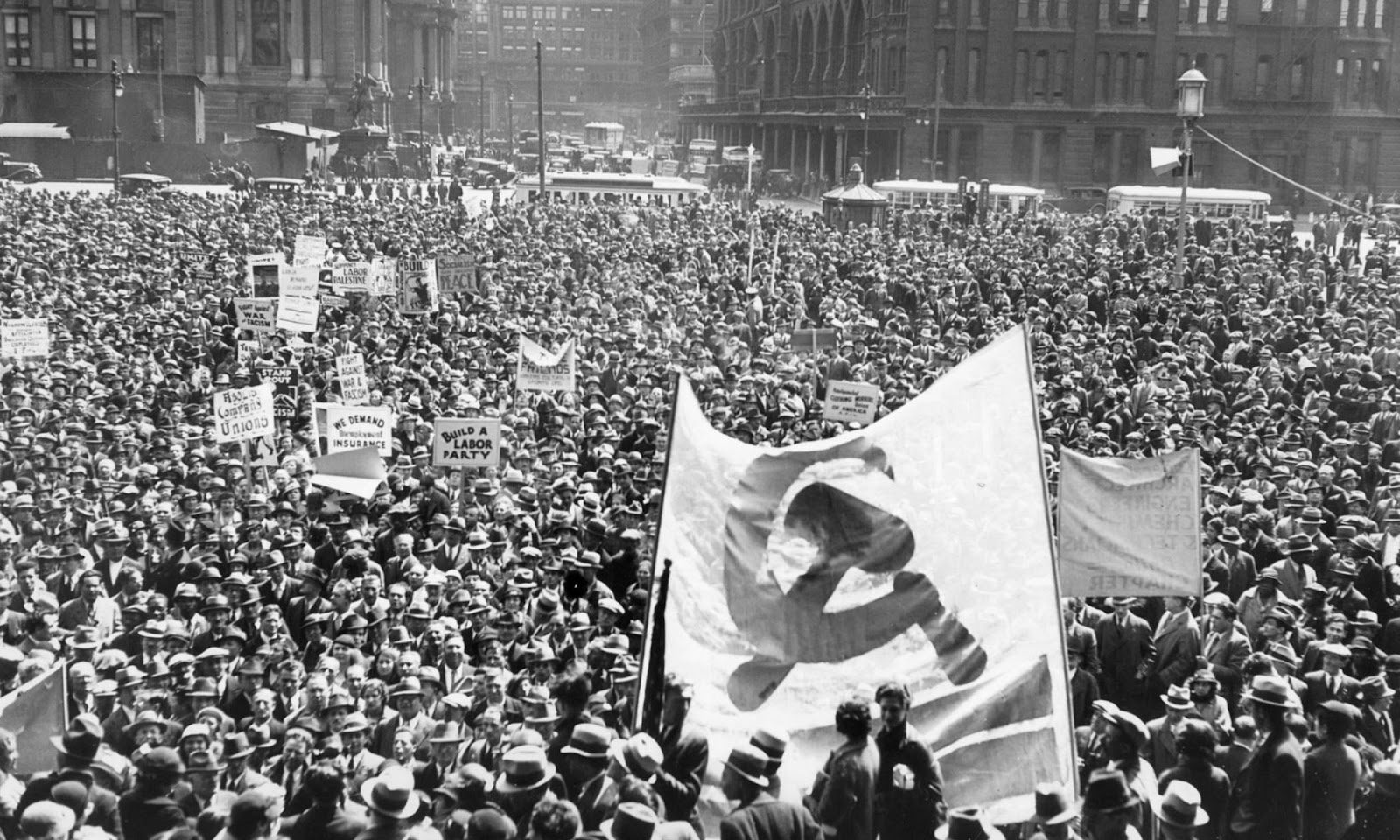
The residents of the city had a reason for such fear since a communist party had already existed in the region and was quite strong. In the 1940s, almost 100,000 people belonged to this group. Their presence in Philadelphia was caused by the economic consequences of the Great Depression as well as the alliance between America and the Soviet Union during World War II.
Having access to the US population, representatives of the Communist Party recruited African Americans into their ranks. The weapon of persuasion was racial tension, which had existed for a long time. Thus, by the 1950s, African Americans had become an integral part of the party and constituted 1/6 of its total number. However, the influence of the communists on the territory of Philadelphia and all of the USA was short-lived because Americans with anti-communist sentiments opposed them. It led to the collapse of the Soviet Union’s plans for active political influence on the United States.
Escalation of the Cold War and espionage
The next phase of the conflict began in June 1950. First, North Korea attacked South Korea, then a nuclear bomb exploded on the territory of the Soviet Union and the final stage of the escalation was the creation of the Communist People’s Republic of China.
For Philadelphia, those changes were quite noticeable, as the jobs in the military and related industries, which had previously suffered reductions, were brought back.
However, the main fear, apart from the spread of communism, was a nuclear attack. In 1952, the government of Pennsylvania distributed leaflets warning its citizens about the possibility of dropping bombs.
The Cold War became famous for the number of spies from both parties, the USSR and the USA. Every hour, national news reminded people of their presence on the territory of the country. One of the spies who hunted for nuclear secrets turned out to be a resident of South Philadelphia. He began to transfer confidential information to the enemy, the Soviet Union, in the 1930s (before the beginning of the Cold War).
After the arrest, the Philadelphia spy admitted to working as a courier and passing on information about the Manhattan Project. He was sent to prison for 30 years but served only half of the term.
For a long time, Philadelphia was a center of resistance to communism and the spread of patriotism. Therefore, when the Cold War became less intense in 1976, the residents of the city organized a celebration for the United States Bicentennial.
The end of the Cold War
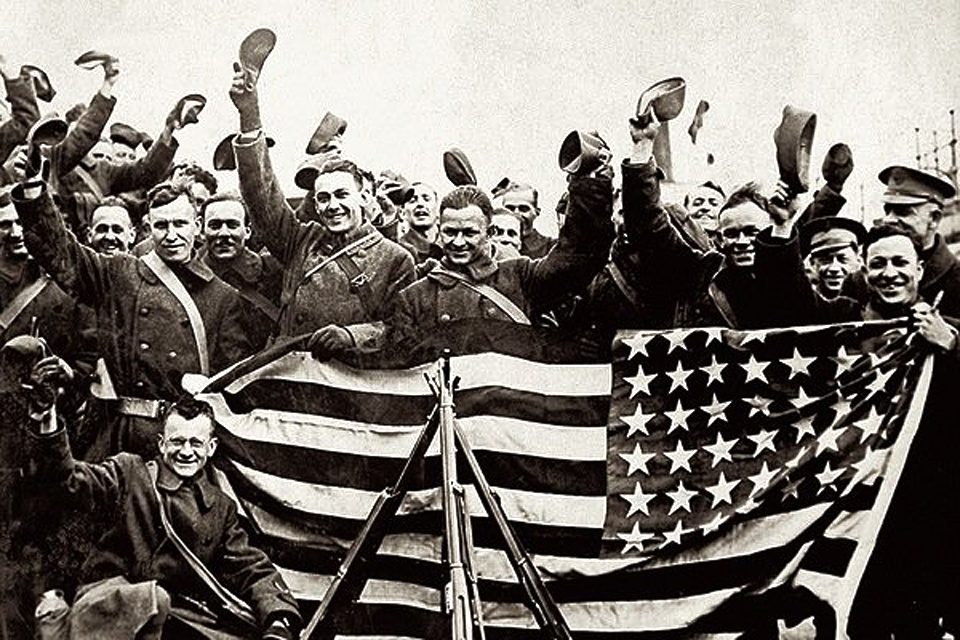
In 1991, the residents of the city stopped convulsively worrying about the consequences of the Cold War. That year was marked by the collapse of the Soviet Union, which led to the disappearance of the communist threat. However, during the conflict, the population experienced a significant increase in jobs in the military and related industries.
The Cold War era caused panic attacks in every second person because nobody knew what was ahead. Many people died in the military clashes that were the result of the conflict. The region undoubtedly did its best to protect the Americans, but anxiety about the future dissolved only with the disappearance of the USSR from the world map.