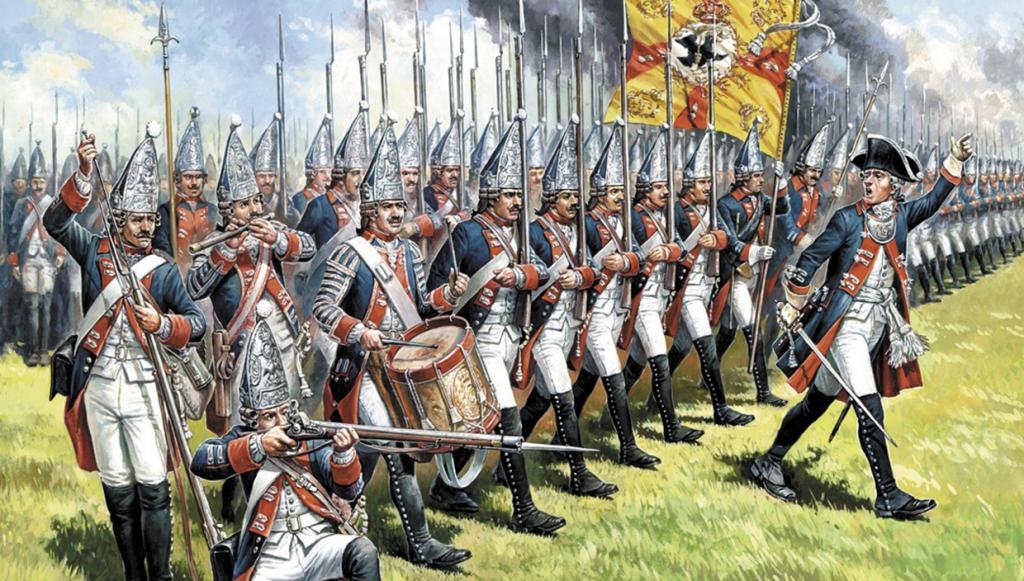

War is always a difficult period. However, such things can’t be erased from the pages of history and our memory. Therefore, everyone should know at least the outlines of the main events that were happening in the country, as well as our hometowns. This article is about Philadelphia and its role in the Seven Years’ War. This event took the city to a new level. Philadelphia’s economy began to improve, as well as the lives of its residents. Learn more at philadelphiayes.
Beginning of the war
You may wonder about Philadelphia’s involvement in the Seven Years’ War, or as it is also known the 1754-1763 French and Indian War. It seems the city didn’t take a direct part in the active war phase, but Philadelphia played a rather important role in this tragedy, giving hundreds of lives that barely began.
The fighting began on the territory of North America, but later it spread to Europe. The reason was the desire to own a large part of the land. During the Seven Years’ War, France and Great Britain fought for the right of colonial rule. But, as already mentioned, other territories were involved in the conflict. All major and many smaller European countries took part in the battles. Philadelphia became a city that unwillingly was involved in the long military conflict.
Philadelphia’s role in the war and the city’s transformation
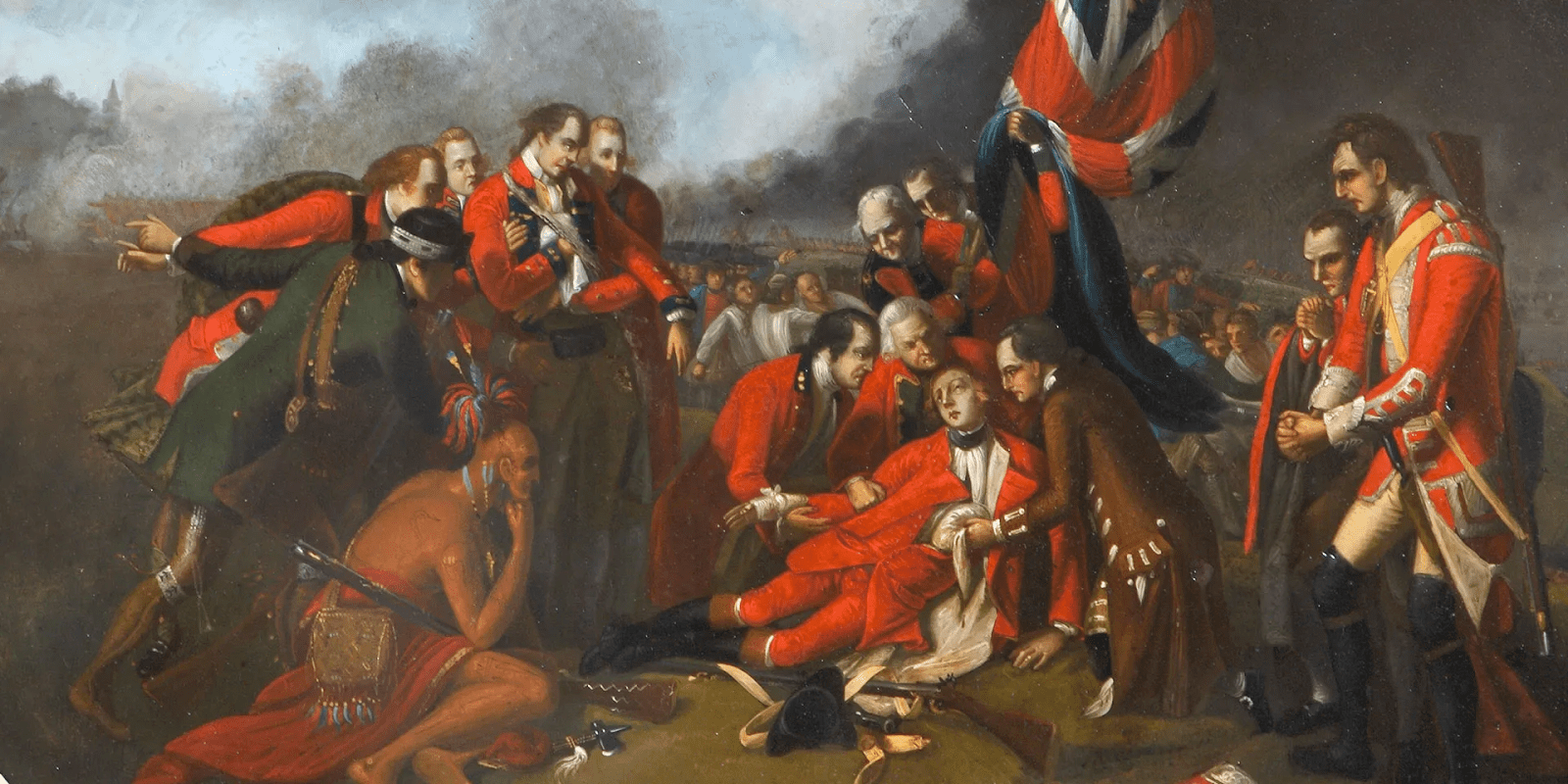
In every confrontation, there are cities and people who help to endure the difficult times. So did Philadelphia, but its residents didn’t know about the consequences. The city had one of the most important ports. It was located on the east coast and was easy to access. Due to such a convenient location, Philadelphia was drawn into the war conflict to the full extent.
During the Seven Years’ War, the city began to rapidly transform into a large urbanized area. The reason for such growth and change was a large number of refugees. In addition, the city turned out to be a long-term transshipment point for the military and supplies.
Another aspect that took Philadelphia to a more modern level was the economic transformation. Besides, the political situation changed too. The positions of the Quakers, who had been at the head of the city for a long time, began to gradually weaken. Instead, the electoral base gained strength. Such changes occurred not only because of the war but also because of the interested people. Of course, they benefited from that, but it made no sense to deny the general improvement of the city and its development.
Military
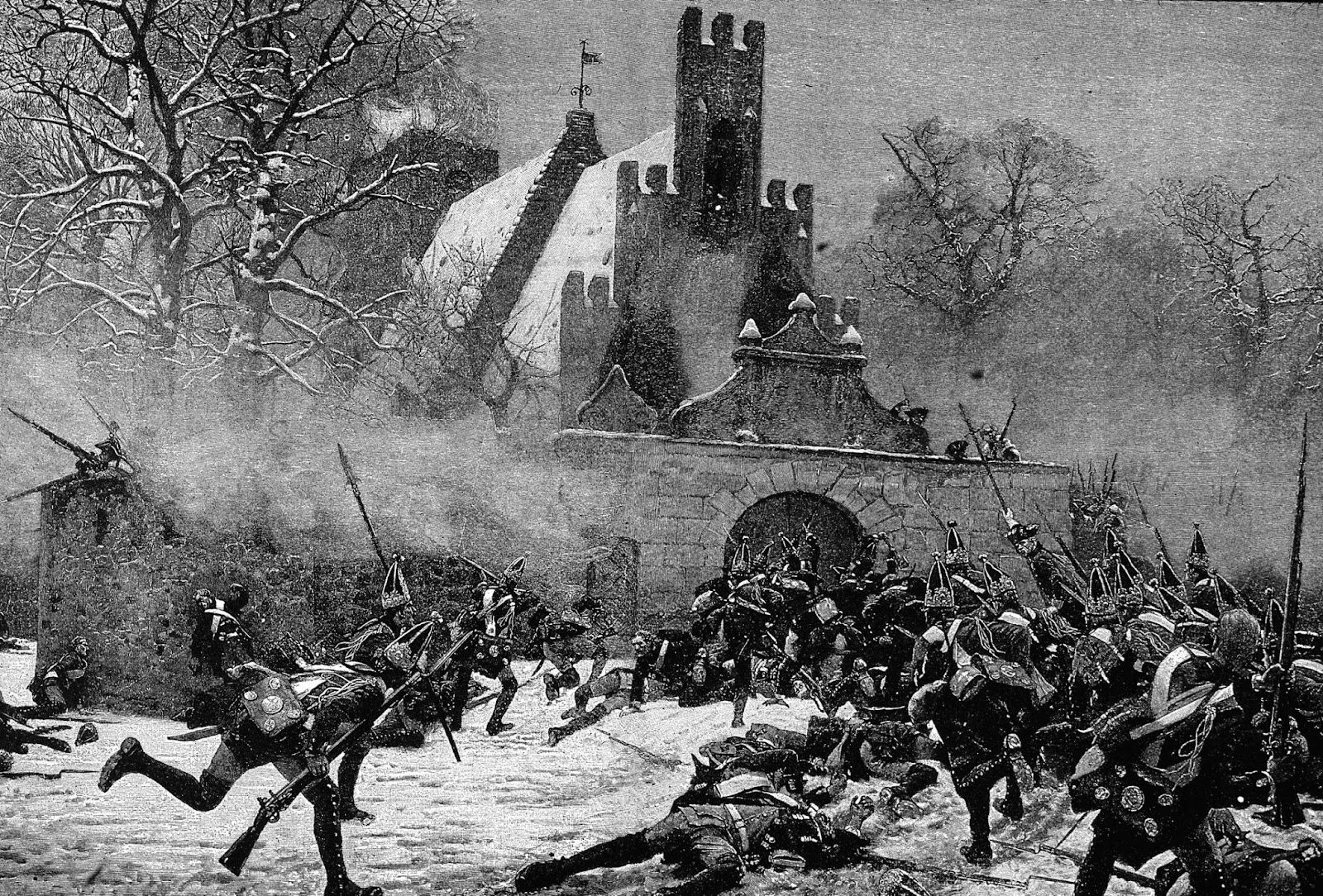
In 1754, Pennsylvania didn’t have enough resources and organization to defend the colony from enemies. Of course, there were plenty of them in the cities. After all, independent military organizations began their existence during the time of King George’s War. However, it wasn’t enough to meet the needs of defense. Due to the conflict, which was gaining strength with every coming day, it was necessary to increase the number of troops and improve their organization quickly.
Realizing that the colony needed to build up its forces as soon as possible, a member of the Colonial Assembly, Benjamin Franklin, garnered support for the passage of the first militia law in Pennsylvania. This significant event took place in 1755.
The colony had two militia organizations for some time. However, they couldn’t find a common language, which led to their constant competition. Therefore, both divisions received their own territory for protection. One of them remained the main defensive force of the colony, while the other protected the first line of the border. To increase its strength in a possible confrontation, New Jersey also decided to raise its troops. However, the colony wasn’t threatened by invasion, so it was decided to leave the post and move to the New York border. In 1756, part of the regiment was besieged and captured.
Decline of Quaker influence and housing for the military
The beginning of the conflict led to differences in opinions. The Pennsylvania Quakers were undecided as to whether they should join the struggle and participate in the defense of the colony. One party opposed the idea because thus they would violate their sacred pacifistic vow. Still, there were also more pragmatic people and their number was significant. They were members of the Pennsylvania Assembly and wanted to allocate funds for the colony’s defense.
This active support phase lasted from the fall of 1755 to the summer of 1756. However, when the Quaker representatives realized that the conflict was dragging on, some of them became more restrained in voting for the allocation of funds for military needs. Later, six such people withdrew from the Pennsylvania Assembly. That situation provided an opportunity not only to shake off but also to supplant the Quakers, which the opposition did in the 1756 election. Thus, the Quakers lost powers and their influence was greatly diminished.
Philadelphia became the main deployment city for troops and it also served as a bridgehead. It caused certain problems. In late 1756, the 60th Royal American Regiment was sent to Philadelphia. However, at that time, the city didn’t have any barracks to accommodate them. Therefore, there were a lot of disputes. The prices offered to the owners of the local inns and taverns were meager, so they didn’t want to compromise and suffer losses from such deals.
The regiment commander tried to find a common language with the owners of possible accommodations. However, they never reached any consensus, even though the mayor of the city was involved in the negotiations. Then the commander-in-chief found out about the problem and started to solve it by himself.
He threatened to use physical force against the owners if they didn’t shelter his troops. He understood that without a proper place to live, his army wouldn’t last long. After all, the soldiers were suffering from unfavorable weather conditions and smallpox had also started to break out.
The committee, led by Benjamin Franklin, understood that it didn’t want to start a new conflict, especially on its own territory. After conducting negotiations with the owners of inns and taverns, the troops received consent. The owners agreed to the established tariffs. It helped to stop the brewing conflict.
Philadelphia as a major supplier and changes in the city
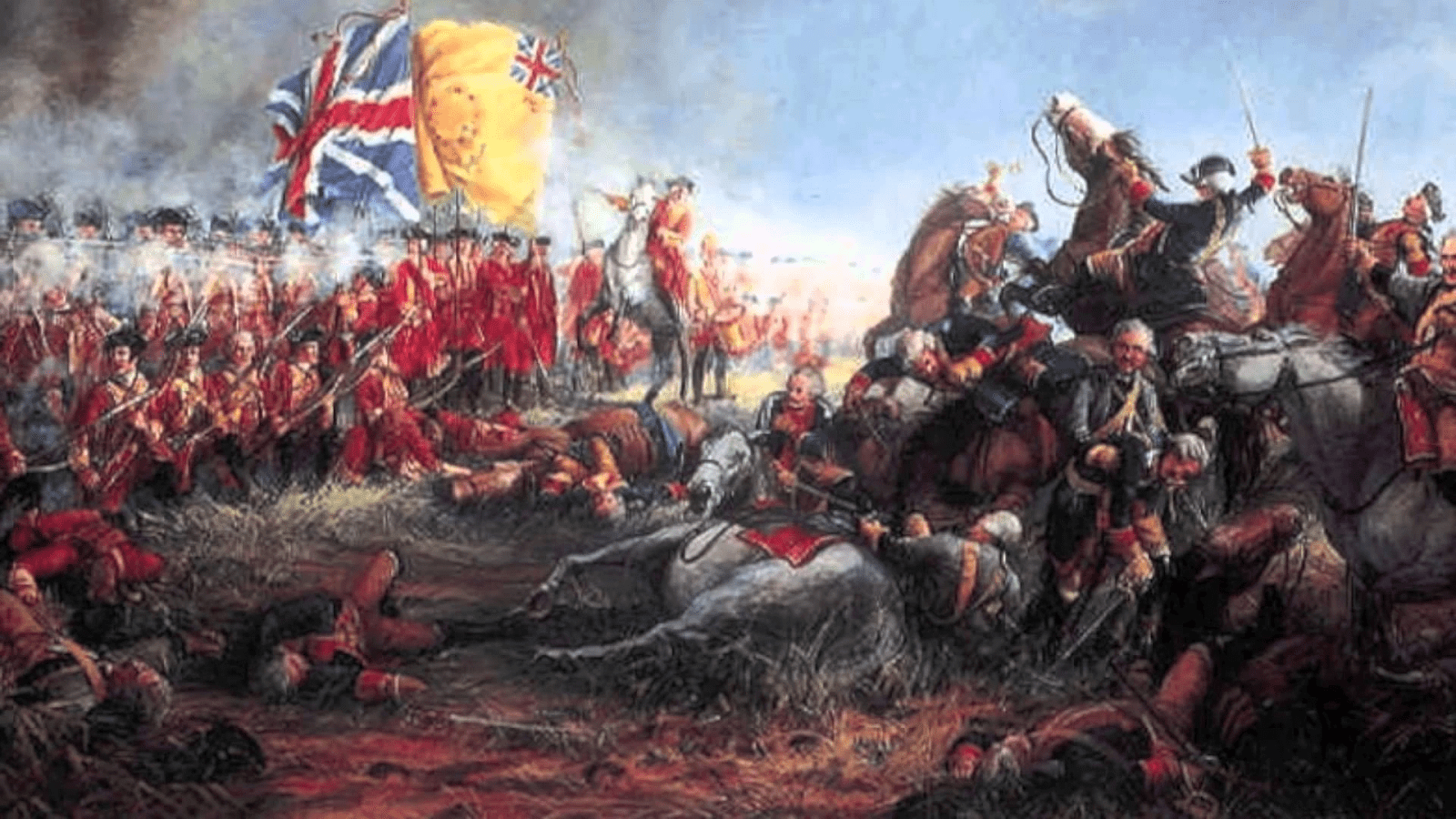
Each army has to be provided with food and weapon supplies. During the Seven Years’ War, Philadelphia was a big supplier city. Its port and industry were the main trade and shipbuilding points. Thus, Philadelphia met all the military needs, which made the city very important. It provided all the necessary goods to the British troops, from candles to fresh provisions.
In addition to providing essential products, Philadelphia became a haven for hundreds of refugees. The conflict of the Seven Years’ War seriously affected the population. People from Western Pennsylvania and the Acadians fled to the city. The former were afraid of Indian attacks and the latter were driven from their homes in Nova Scotia. Each refugee sought protection and financial support, which they later received.
The Seven Years’ War affected the development of Philadelphia and its outskirts. It began a rapid transformation from a colonial town into a large and developed city. Wartime is undoubtedly a terrible period that can last for years. However, looking at Philadelphia, it is worth saying that the Seven Years’ War had a positive influence too. This time was tough for many representatives of various cities that were directly affected by the hostilities. But Philadelphia managed to prove itself as a militant city. We don’t know what Philadelphia would be, if not for the war, which lasted for seven years.