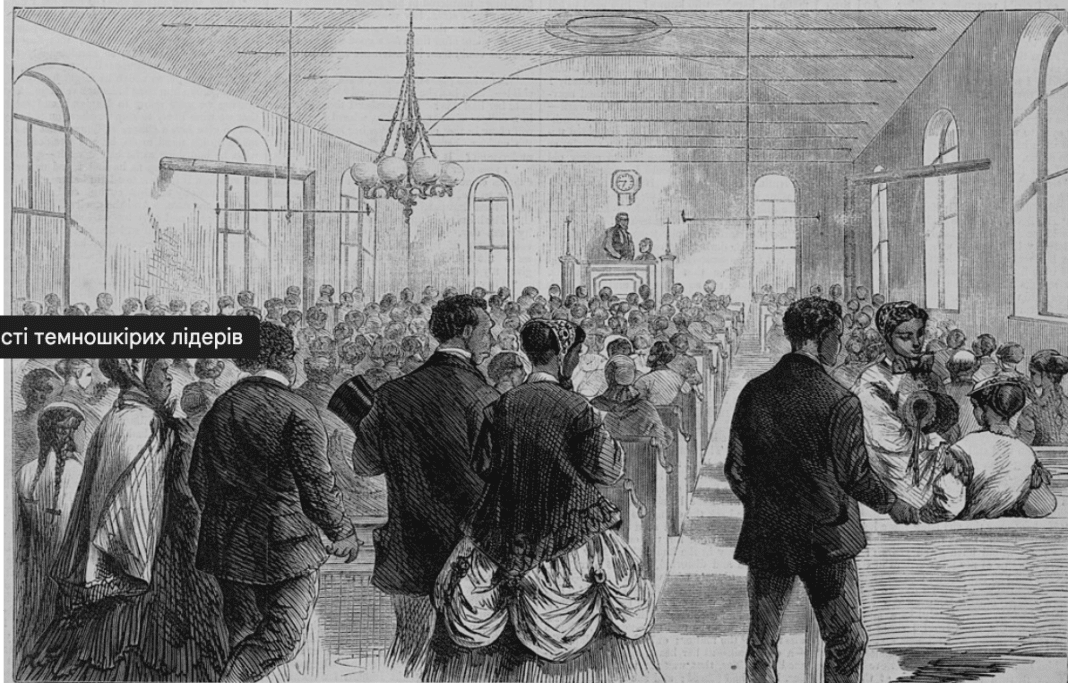

Prior to the Civil War, Philadelphia had one of the largest free African-American communities in the nation. Black leaders have united to form a national movement to combat discrimination and violence against white people. From 1830 to 1864, the city hosted various forums and congresses aimed at attaining equality and abolishing slavery. We will tell you more about their history at philadelphiayes.
Racial tensions: origins and effects
The northern states began to abolish slavery around the beginning of the nineteenth century. At the same time, the South was unwilling to accept this policy. Black populations began to migrate, raising racial tensions in northern cities. Despite the progressive efforts of the authorities, people of the northern states frequently saw freed slaves as an economic danger and a source of criminal activity.
In the late 1820s, Ohio passed discriminatory legislation against the black population. There had been numerous instances of white mob violence against African Americans. In response to these events, black leaders first realized the need to band together to protect their rights and freedoms and decided to hold a national Colored Convention.
In the spring of 1830, Baltimore activist Hezekiah Grice urged all African-American leaders in the North to devise a strategy to emigrate to Canada. The proposal was met by the priest Richard Allen from Philadelphia, who suggested holding a national convention. Allen was born a slave but became a preacher. In Philadelphia, he established an African-American society and served the local community.
The first national Colored Convention in Philadelphia and its aftermath
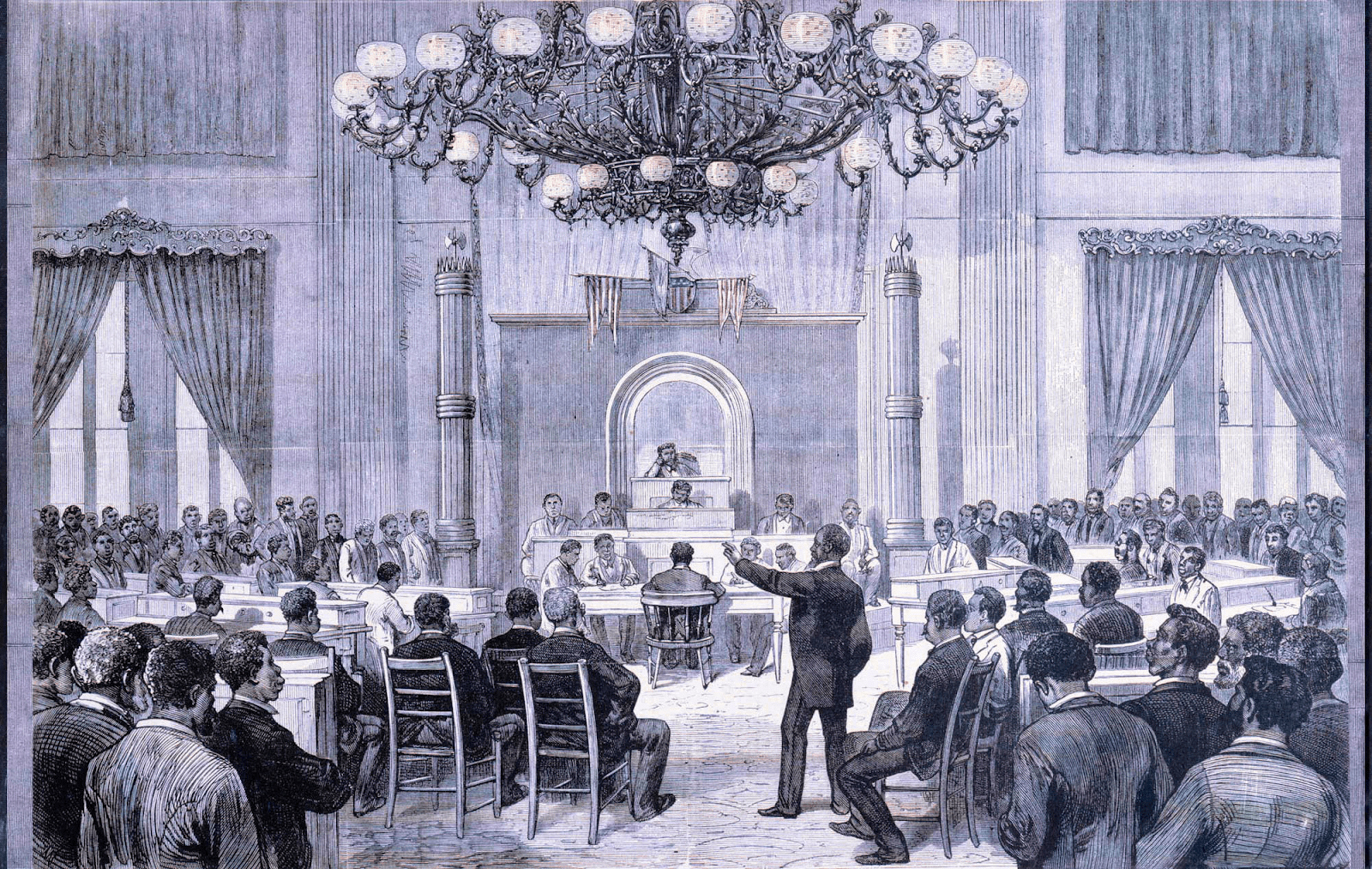
The first convention was held in Philadelphia in September 1830. During it, the American Society for Free Persons of Color was formed, and Allen was chosen president. The group’s goal was to migrate to Canada, a country with a similar climate and language but does not discriminate based on race. At the same time, the delegates agreed to hold a general convention in Philadelphia the following year, marking the start of the corresponding tradition.
The city hosted African-American congresses in 1832, 1833, 1835 and 1855. The delegates voted to prioritize education and moderation. Black leaders attempted to dispel misconceptions that portrayed African Americans as ignorant, lazy and criminals. They intended to lay the groundwork for economic independence and success, influence white people’s perceptions and finally achieve complete equality alongside them. At the same time, they relied on the fact that slavery contradicts the Constitution and the main philosophy of the United States.
These approaches were dominant until the 1840s and 1850s. At this time, a new generation of African Americans emerged, eager to make forceful decisions. Then there was the so-called “black nationalism,” which pushed for a separate colony in Africa or Central America. However, most black Philadelphia residents continued to feel that interracial cooperation was the most effective way to reach equality and the abolition of slavery.
The established national movement of African Americans formed their collective voice and served as the foundation for creating a platform to develop solutions for overcoming racial hostility. Although it did not abolish slavery, by the beginning of the war, its members had accomplished the following:
- physical labor schools were set up to help African Americans pursue working professions
- the American Moral Reform Society was founded and led by local businessmen in Philadelphia to advance the educational and cultural system
- the country’s African-American communities were brought together to form a nationwide network that served as a forum for political activism.
A coalition was also formed among radical white activists who advocated for the abolition of slavery. They worked together to oppose the American Colonization Society. This slaveholder organization called on free African Americans to go to Africa.
The further activities of black leaders
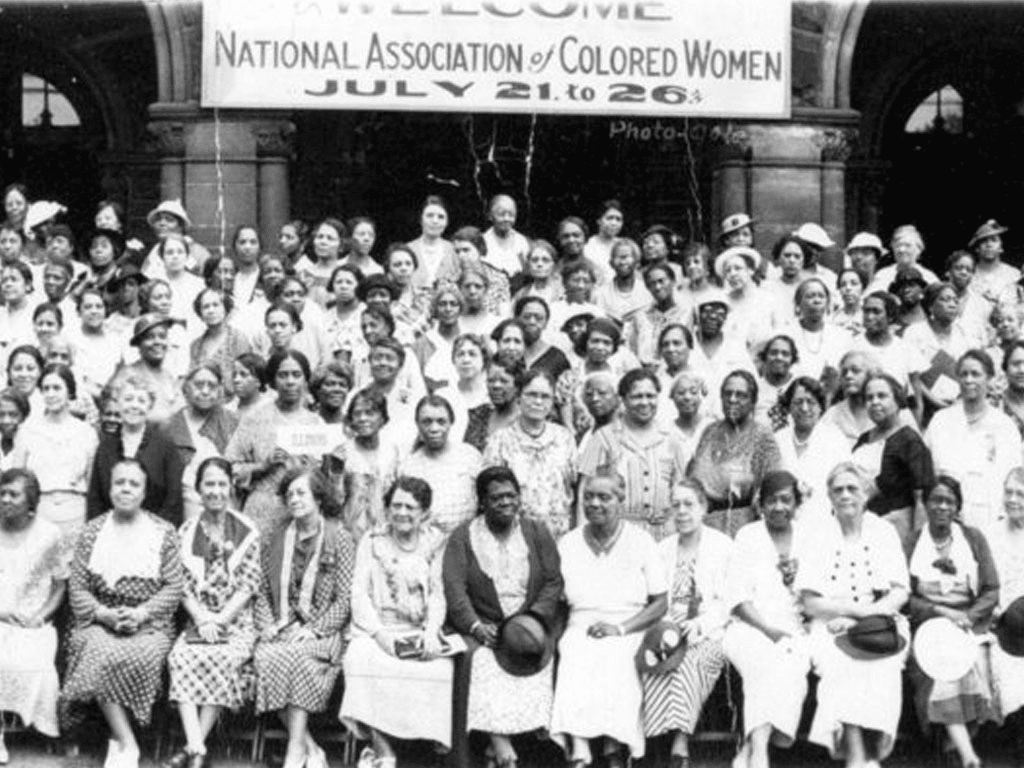
Following the outbreak of war in the United States, members of national congresses began to devise plans for postwar reconstruction. In 1864, the National Equal Rights League was founded at a meeting held in Syracuse, New York. It was intended to replace earlier coordinating groups and advocate for African Americans to gain civil rights in government.
Black leaders have formed a nationwide network of league branches. Its members actively participated in the country’s political life in both the north and south. For example, in Pennsylvania, they lobbied for the approval of a constitutional amendment granting black men the right to vote.
The league also had an impact on the Republican Party of Pennsylvania, pushing for the protection of African Americans’ civil and political rights, as well as the complete abolition of slavery. They were active despite increasing opposition from the white population and a decrease in government support. The joint efforts eventually resulted in success, changing the status of the former slaves.