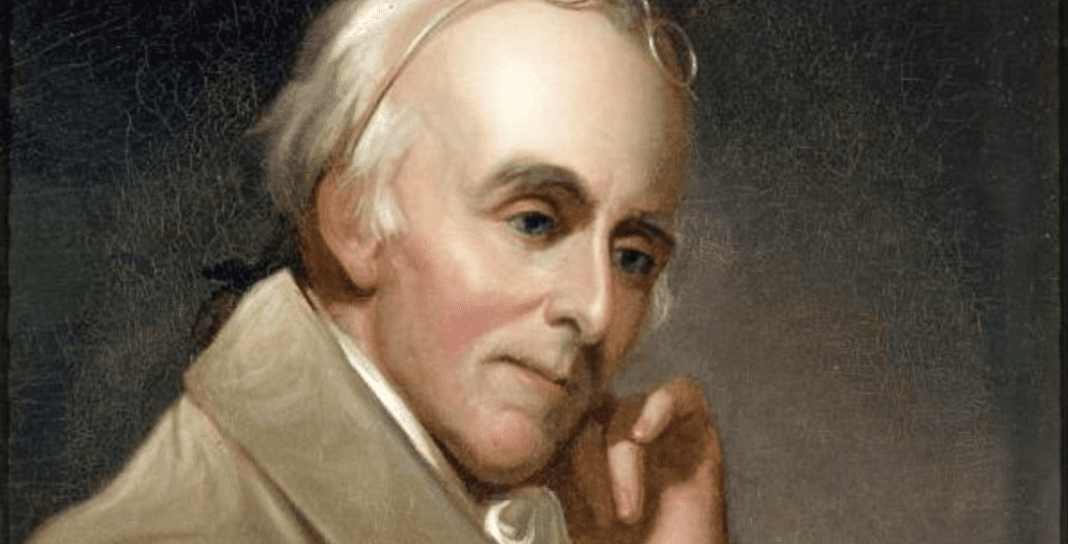

Benjamin Rush was a remarkable individual with diverse interests and many accomplishments. Throughout his life, he worked in philosophy, medicine and politics, in addition to being a reformer and educator. Rush also signed the United States Declaration of Independence, served as a surgeon in the Continental Army and later, in peacetime, became a professor at the University of Pennsylvania. Learn more at philadelphiayes.
As a politician, he advocated for the abolition of slavery, as well as the establishment of free public schools and education for women. His contributions to medicine paved the way for the development of psychiatry and therapy. We will tell you more about the life and activities of the famous Philadelphia resident.
Education and the start of a career
Benjamin was born in a small town near Philadelphia on January 4, 1746. His parents were of British descent, and Benjamin was the fourth of seven children in the family. Five years after his birth, his father passed away unexpectedly. The mother cared for the children herself.
When Benjamin was eight years old, he was sent to live with his aunt, where he started school. The young man then attended college in New Jersey, where he got a bachelor’s degree at the age of fourteen. He continued his studies in Philadelphia before moving to Scotland to attend the University of Edinburgh. In 1768, he earned a master’s degree from the institution. By then, Benjamin had learned French, Italian and Spanish.
In 1769, Rush returned to Philadelphia, where he established his own medical practice and started teaching chemistry at a local college. He wrote textbooks and eventually pursued both a practical and academic career.
Benjamin was betrothed to Sarah Eve, but she died before the wedding. So, in 1776, he married Julia Stockton. The couple had 11 children, seven of whom reached adulthood.
The fight for independence
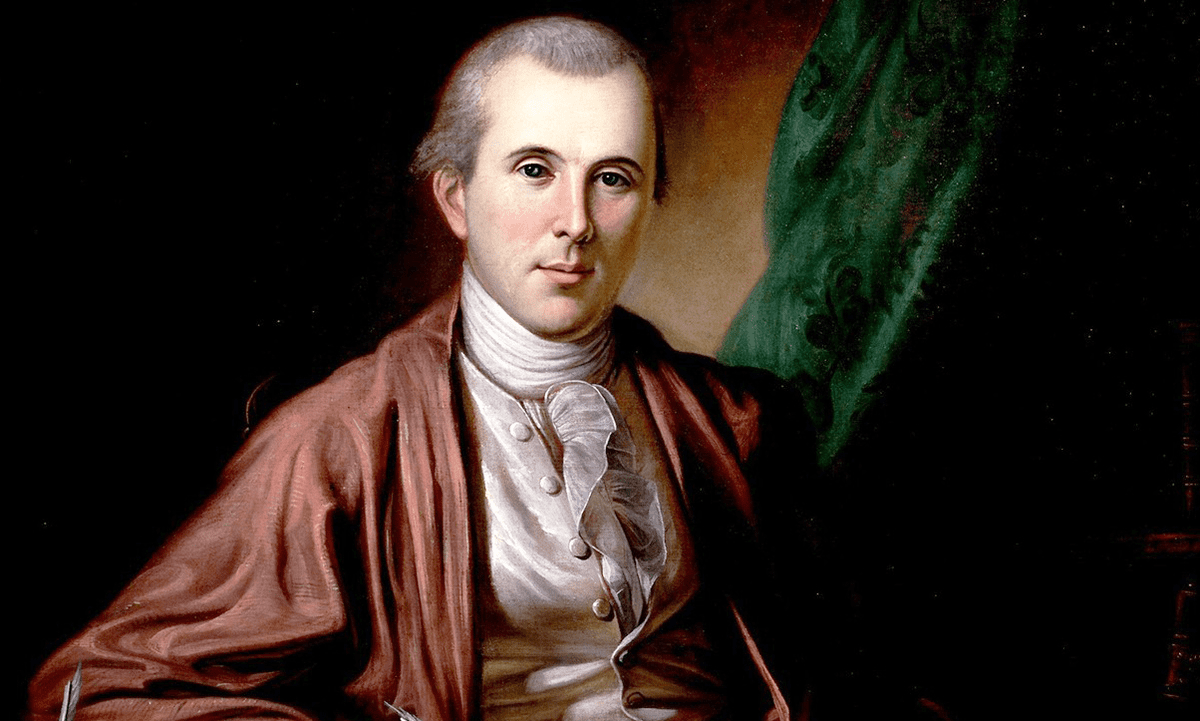
During the War of Independence, Benjamin Rush demonstrated an active civic position. He joined the activities of the Sons of Liberty, was elected Pennsylvania’s representative to the Continental Congress and signed the Declaration of Independence. He was also elected as Philadelphia’s representative at the Constitutional Convention and joined the congressional medical committee.
During the war, Benjamin worked as a military surgeon. This service was extremely difficult at the time. There were numerous victims, infectious diseases were spreading and medical supplies were practically absent. Despite this, Rush served as a surgeon in the Continental Army, where he focused on preventive military medicine. He openly criticized the medical committee’s abuses and underfunding of patients, which led to his resignation in 1778.
Following the victory, Benjamin was transferred to a hospital in Pennsylvania. He also served as a delegate to Congress and treasurer of the United States Mint from 1797 to 1813.
Further activities
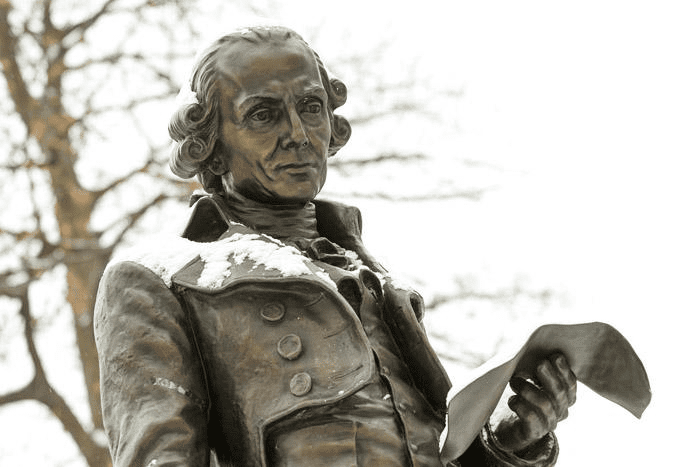
In the years following the war, Benjamin Rush continued his medical, teaching and educational activities. In 1788, he was elected to the American Academy of Arts and Sciences. In 1791, he joined the University of Pennsylvania as a professor and was the most prominent physician in the United States until his death.
He advocated for the practice of bloodletting and cleansing the body with toxic substances. These approaches did not always benefit patients, but Rush believed in their effectiveness and utilized them extensively, for example, during the yellow fever epidemic. His lack of success in treating a large number of patients did not affect his beliefs.
In Philadelphia, he worked to establish a public dispensary for low-income patients, as well as the drainage of areas near rivers, which helped reduce the spread of infectious diseases in the region. In 1789, the doctor first described dengue fever. In 1812, he published a monograph on the treatment of mental disorders, which was the first of its kind in American medicine. In this study, Rush defined mental illnesses and addressed their potential causes and treatment. That is why he is often referred to as the “father of American psychiatry.”
In terms of education and civic engagement, Benjamin Rush was well-known for:
- his participation in the movement for the abolition of slavery since 1766 and the fight for equal rights for black and white populations
- his opposition to the death penalty, which he proposed replacing with life imprisonment
- his proposal for a model of education for women that included English, music, singing, dance, history, philosophy and accounting; he also took part in the founding of the Young Ladies’ Academy of Philadelphia
- his belief that Christianity had to be used in both public life and education, and co-founding of the Bible Society at Philadelphia.
Benjamin Rush was also instrumental in the establishment of Dickinson College in Carlisle. In 1791, he joined the Bavarian Academy of Sciences and, three years later, the Royal Swedish Academy of Sciences. He also took part in the operations of the American Philosophical Society.
On April 19, 1813, the renowned Philadelphia man died of epidemic typhus. He was buried in the Christ Church Burial Ground in Philadelphia. Subsequently, his wife was laid to rest next to him.