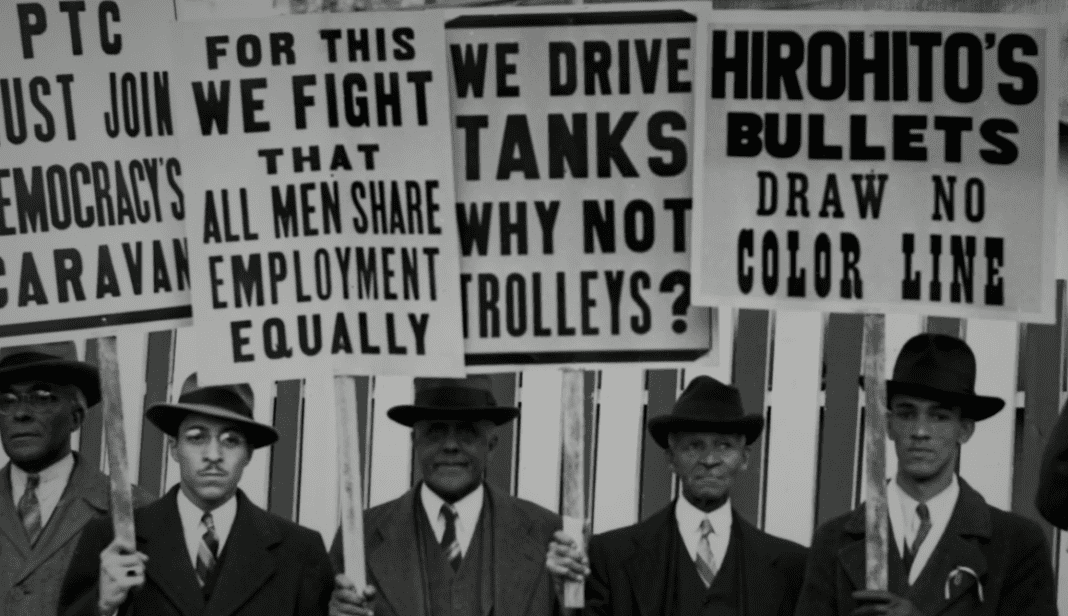

In 1944, a major conflict erupted in Philadelphia, centered around a strike by white transit workers. It was triggered by a decision allowing Black employees to hold positions previously reserved only for whites. The strike paralyzed the city’s public transit and crippled wartime production. In response, President Roosevelt placed the company under military control, and strikers were threatened with job loss and the revocation of their military draft deferments. More at philadelphiayes.com.
The Roots of the Conflict
During World War II, Philadelphia experienced tense race relations between its white and Black populations. The Philadelphia Transportation Company (PTC) denied equal employment opportunities to its Black workers, prompting them to appeal to the Fair Employment Practice Committee (FEPC). The committee attempted to negotiate with PTC management but was met with resistance. A final attempt to resolve the situation yielded no results, as white workers refused to work alongside their Black colleagues.
After congressional hearings, the implementation of the FEPC directive was postponed pending the results of a union election. Various associations vied to represent the company’s employees. The Transport Workers Union (TWU) agreed to the promotion of Black workers, while a rival association remained silent on the issue. The rival union’s leadership tried to build its campaign around the race issue, but the topic was overshadowed by negotiations for a new contract with the PTC. The TWU won the election, receiving more votes than the other two unions combined. However, the hostility of white workers toward their Black colleagues did not diminish, and the company continued to resist implementing the directives.
On July 1, 1944, the War Manpower Commission ruled that all hiring for male workers must go through the U.S. Employment Service. Following this, eight Black applicants were accepted for training as trolley car motormen. This sparked outrage among white workers, who began circulating petitions to protest the promotion of Black employees.
The Strike Erupts
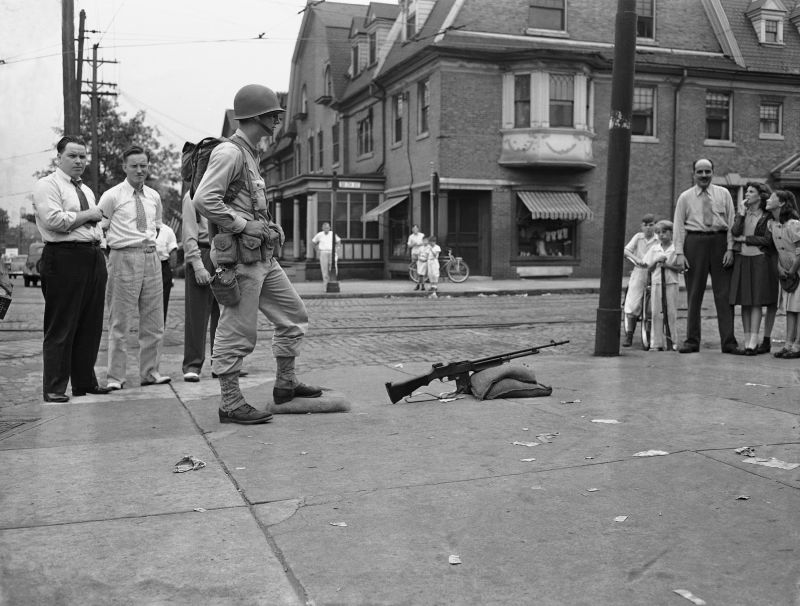
Several meetings were held to discuss strike plans. TWU representatives warned the PTC of potential trouble, but management ignored the warnings. After a trial run of trolleys with the eight Black trainees at the controls, the strike ignited. The outrage of white workers and their dissatisfaction with company policy were the primary causes.
On August 1, 1944, the conflict entered its active phase, bringing many of Philadelphia’s trolley, bus, and subway routes to a halt. One of the main organizers was James McMenamin, a white motorman who led a strike committee of 150 participants. The drivers were protesting the federal order that prohibited racial discrimination in employment. During the day, strike leaders held a large rally where they declared that driving transit was “a white man’s job” and demanded that Black workers be kept off the platforms.
Containing the Strike
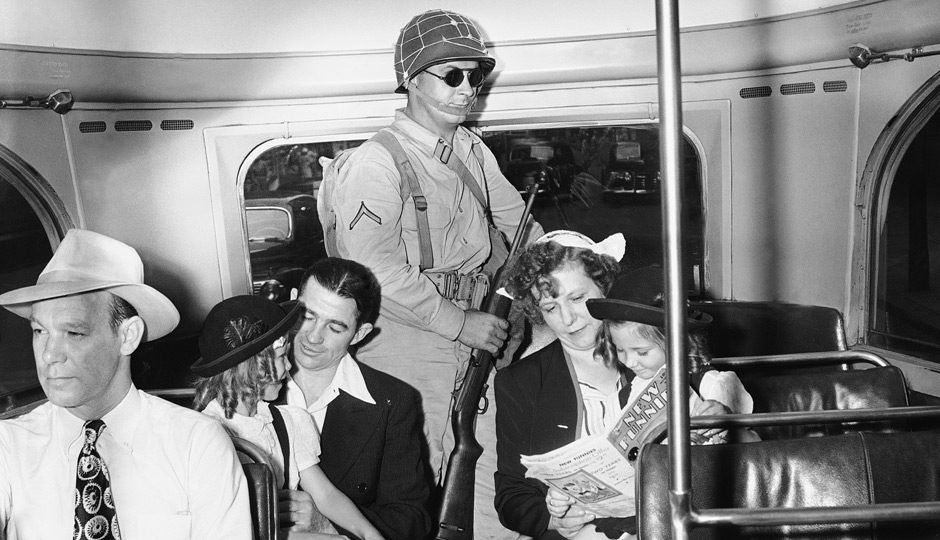
In response to the strike, the PTC stopped selling tickets and closed its high-speed lines but left the trolley cars open, allowing strikers to use them as gathering and coordination points. Union representatives condemned the strike and urged workers to return to their jobs, but to no avail. The city’s mayor and governor took measures to prevent drunken crowds and maintain public order.
The U.S. government expressed serious concern over the strike, as it caused delays in military production and negatively impacted the country’s image across Europe. President Roosevelt authorized the Secretary of War to take control of the transit company and appointed a Major General to oversee its operations.
The strike continued until August 2, when about 250 TWU members attempted to return to work but were forced to retreat by resisting strikers. By order of President Roosevelt, the transit company was officially placed under military control.
Aftermath and Resolution
During the conflict, several incidents of vandalism occurred in Philadelphia, but the situation was generally peaceful. However, fatal incidents also took place. In one of the most horrific episodes, three white motorists shot a 13-year-old Black boy. A significant number of people were arrested, the majority of whom were Black.
Many newspapers and radio stations condemned the strike, with The New York Times calling it one of the most damaging in history. However, many people also held negative views toward the cause of equal employment opportunities for Black Americans.
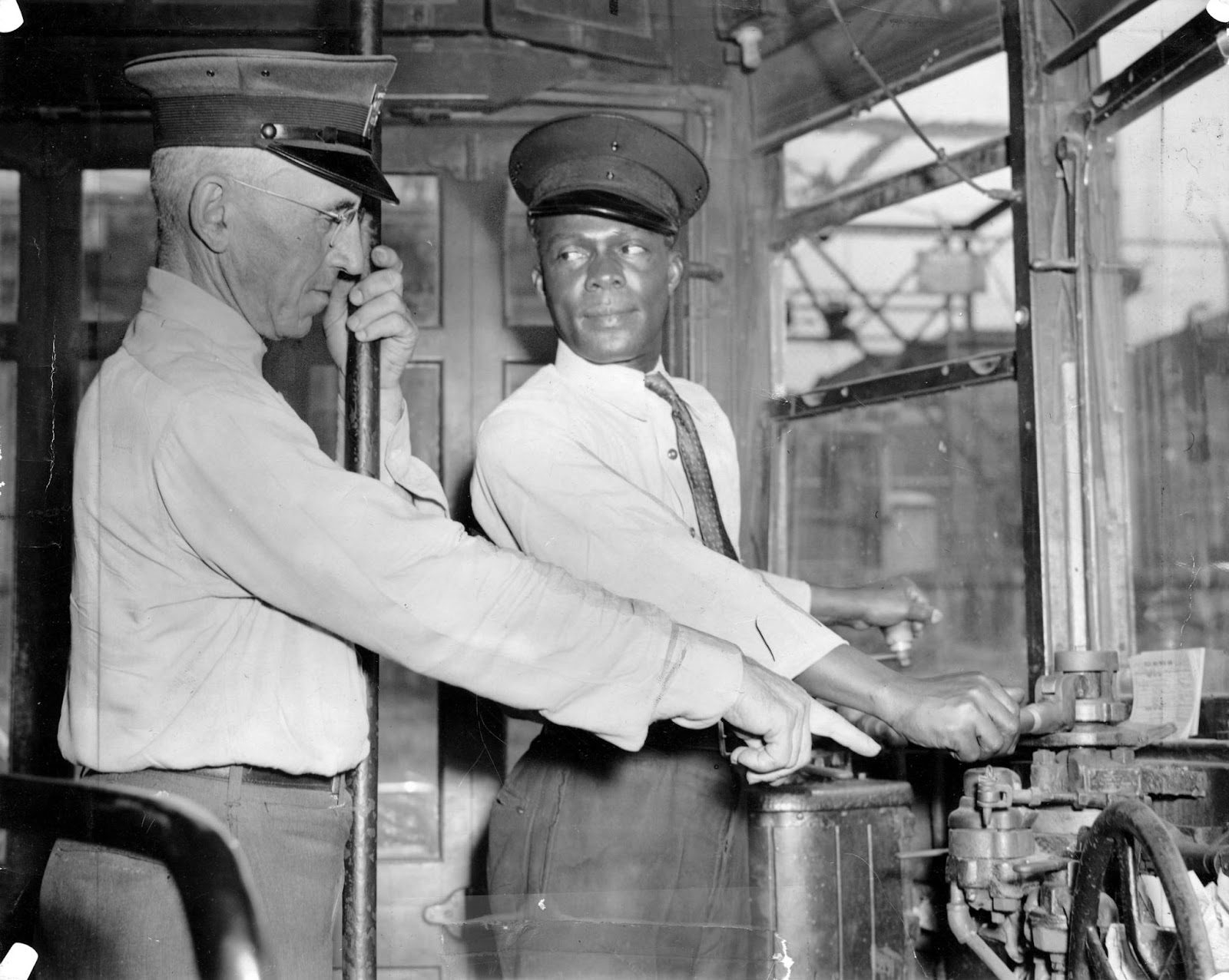
After six days, the strike was broken, and most of the workers returned to their jobs. A new union contract, considered attractive to employees, was signed. As a result, the Philadelphia Transportation Company was finally integrated with new Black workers taking on various roles, including as motormen.