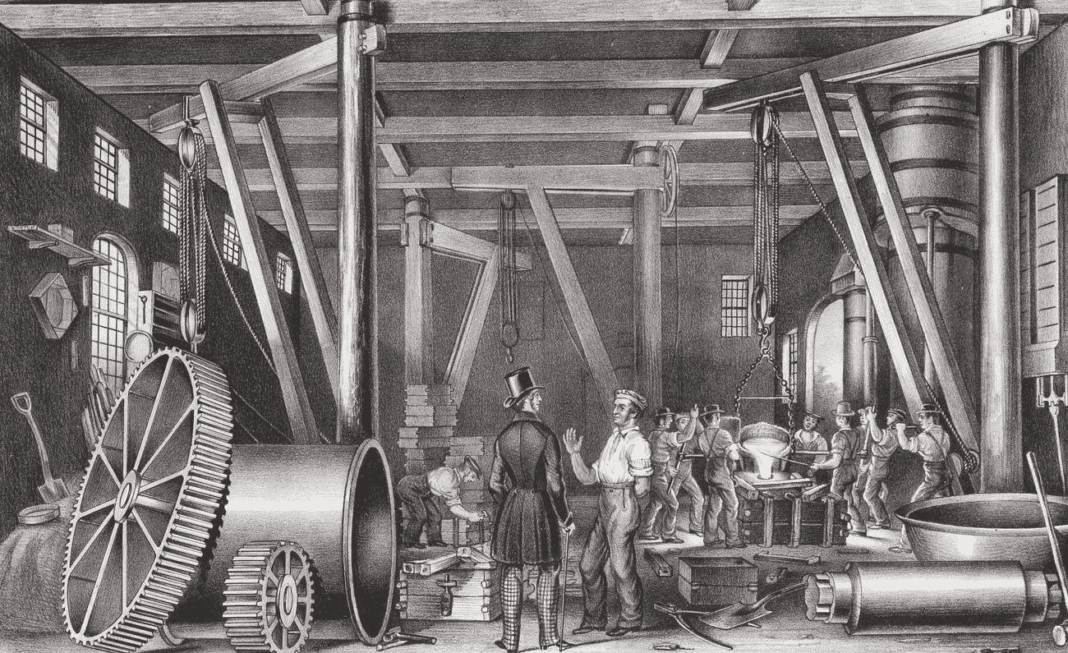

Philadelphia is a city with a rich history, serving as the backdrop for many significant events in American history. It played a major role in the American Revolution and was the very place where founding fathers drafted and signed the nation’s first Constitution. The city was also a powerhouse for the abolitionist and suffragist movements.
However, the pivotal role Philadelphia’s citizens played in the fight for fair working conditions is often overlooked. It was here that workers organized the first general strike in the U.S., and later formed a labor party to protect their interests. Learn more about the beginnings of this movement at philadelphiayes.
The General Trades’ Union and the First Strike
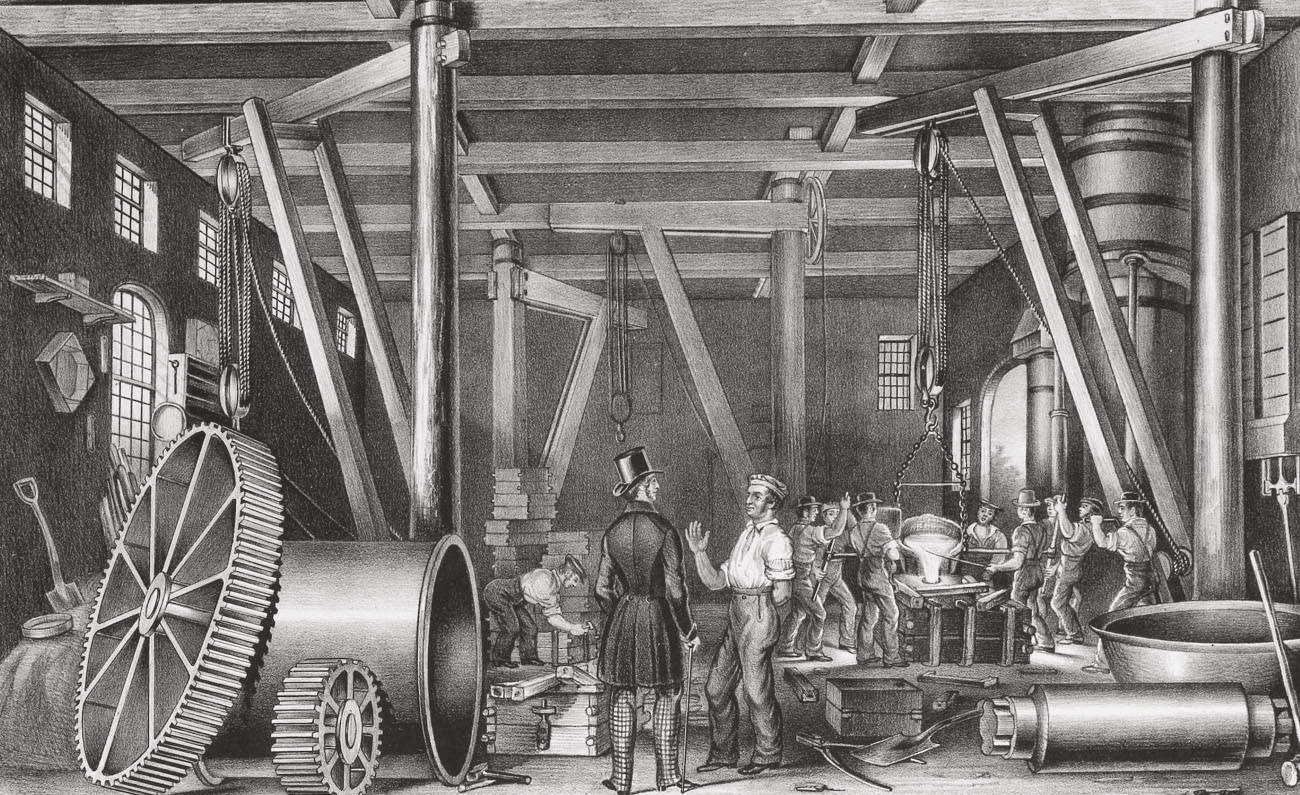
In 1835, Philadelphia became the site of the first general workers’ strike in U.S. history. Led by the city’s General Trades’ Union, an organization that was short-lived but historically significant, the strike’s main demand was the implementation of a ten-hour workday. This event set an important precedent for other labor unions, which began to organize their own strikes throughout the 19th century.
Before the strike, city labor leaders had tried to create the Mechanics’ Union of Trade Associations and the Working Men’s Party to unite and protect their interests. When this plan failed, they decided to establish the General Trades’ Union in 1833, which was accomplished the following year. Unlike other unions of its time, this new organization began accepting unskilled workers, which allowed it to grow into a large and powerful public body.
The Start of the Strike and Its First Success
The strike began in late May 1835 and didn’t initially seem like an organized protest. It started with coal heavers at the docks on the Schuylkill River, who were demanding a ten-hour workday.
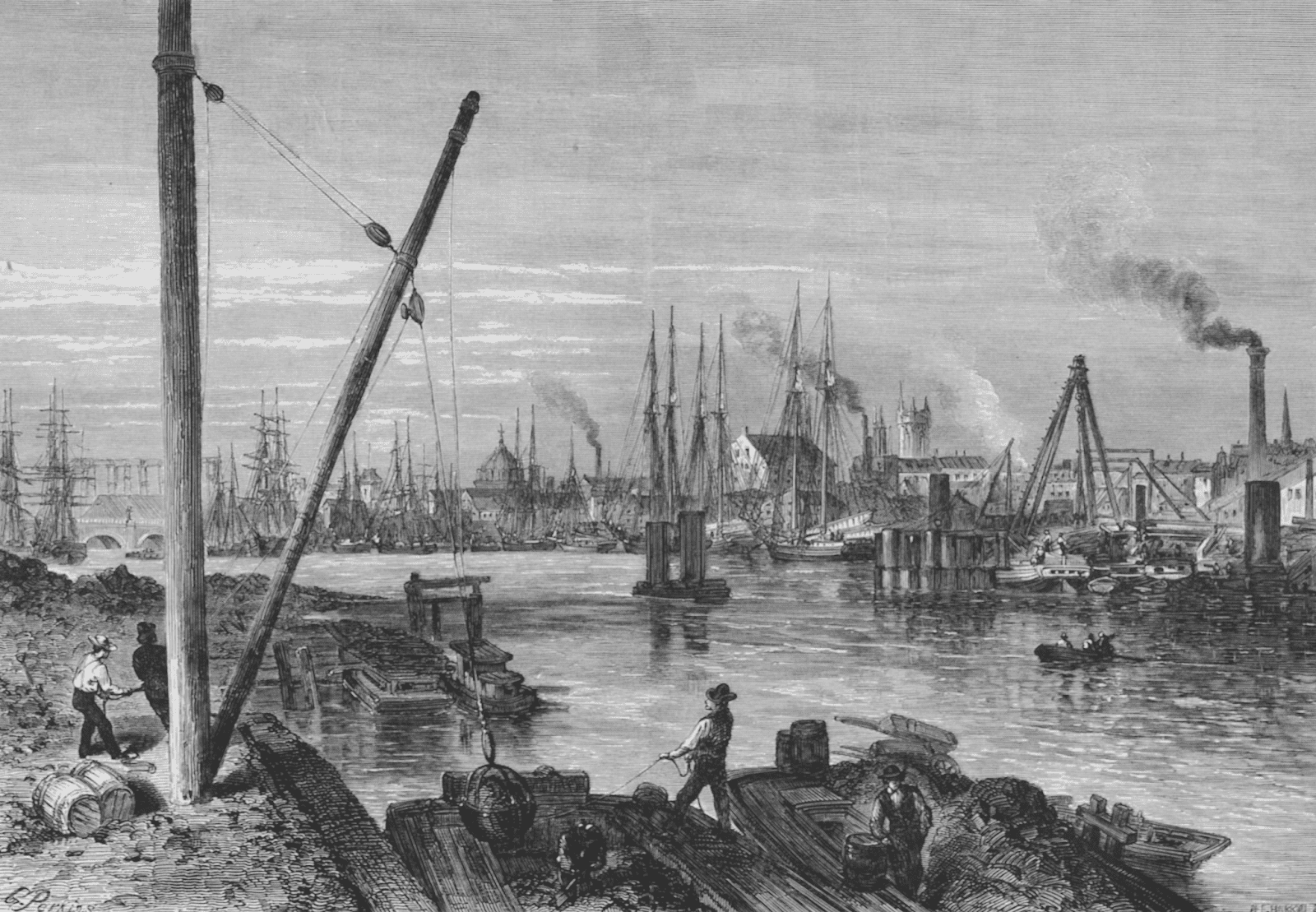
In early June, the dock workers marched through the city streets, where they were joined by other tradespeople. Meanwhile, leaders of the General Trades’ Union used their influence to spread the word and recruit as many workers as possible. They printed posters and leaflets, inviting everyone to join the fight for their rights.
By June 10, representatives from over 40 professions had joined the strike. More than 20,000 workers were protesting, including city employees. Soon after, the city government announced that workers under the City Corporation would be granted a ten-hour workday. By the end of June, this demand was met at most companies. This victory boosted morale among workers and led to a surge in membership for the General Trades’ Union.
The Aftermath and Decline
The initial success fostered solidarity among workers, including the unskilled laborers who had previously been excluded from unions. In the spring of 1836, dock workers once again went on strike, this time demanding higher wages.
On this occasion, the coal merchants appealed to Mayor John Swift for help. Following his orders, eight strikers were arrested. Their bail was set at $2,500, an enormous sum at the time. The authorities hoped this would crush the strike, but their plan backfired. The other strikers began to speak of their arrested comrades as martyrs, and the General Trades’ Union came to their aid. The union financed their defense, and the arrested workers were fully acquitted.
Throughout that year, Philadelphia saw many more strikes, all funded and supported by the union. Each of them was successful. Despite this, the organization soon ceased to exist. Many who had joined the union left its ranks after achieving their desired results. Additionally, employers began to form their own associations and took a hard stance against striking workers. As a result, the General Trades’ Union’s membership steadily declined, and it disbanded in 1837.
Historical Significance of the Philadelphia General Strike
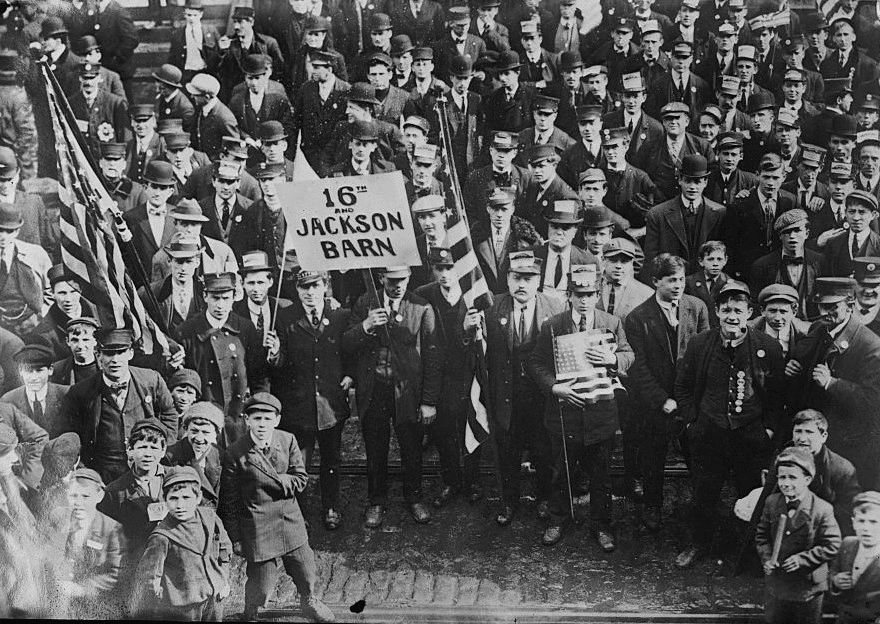
Although the General Trades’ Union disappeared as quickly as it emerged, its impact on the nation was significant. The success of the first general strike in the U.S. later inspired many other American labor movements, such as those in St. Louis in 1877 and the nationwide strikes of 1919.
The decision to accept unskilled workers into the union also set a crucial precedent. This inclusive approach proved effective and was later adopted in other cities. The victorious Philadelphia strike resonated with workers across the country, unleashing a wave of strikes that ultimately improved the lives of the working class. Subsequently, workers became more involved in the nation’s political life, creating new organizations and establishing themselves as a true social class.
So, Philadelphia is just as proud of this chapter of its history as it is of its other nation-building events. The General Strike of 1835 was one of the first steps on the path to the modern social model of the United States.